10 Places to Recycle Plastic Grocery Bags Near You
Many of us want to do our part for the environment, but figuring out where to recycle plastic grocery bags can be confusing. You’re not alone—lots of people struggle with finding convenient recycling options for these bags.
Luckily, there are simple ways to make sure your bags don’t end up in the landfill. You can recycle plastic grocery bags at local grocery stores with dedicated bins near entrances, as many participate in recycling programs.
Check if nearby retail chains and city recycling centers accept bags—just verify their guidelines. Community events and recycling drives organized by groups or schools also offer opportunities to recycle.
Preparing bags properly by cleaning and flattening them helps. Plus, exploring eco-friendly alternatives benefits the environment.
Keep going to uncover more ways to make your recycling efforts effective.
Key Takeaways
- Many local grocery stores have dedicated bins for plastic bag recycling near entrances or exits.
- City recycling centers may accept plastic grocery bags; just check their guidelines beforehand.
- Avoid putting plastic bags in curbside recycling bins because they can cause machinery jams.
- Community events and recycling drives often have plastic bag collection stations.
- Rinse and flatten your bags before recycling to make the process smoother and save space.
Where Can I Recycle Plastic Grocery Bags Near Me?
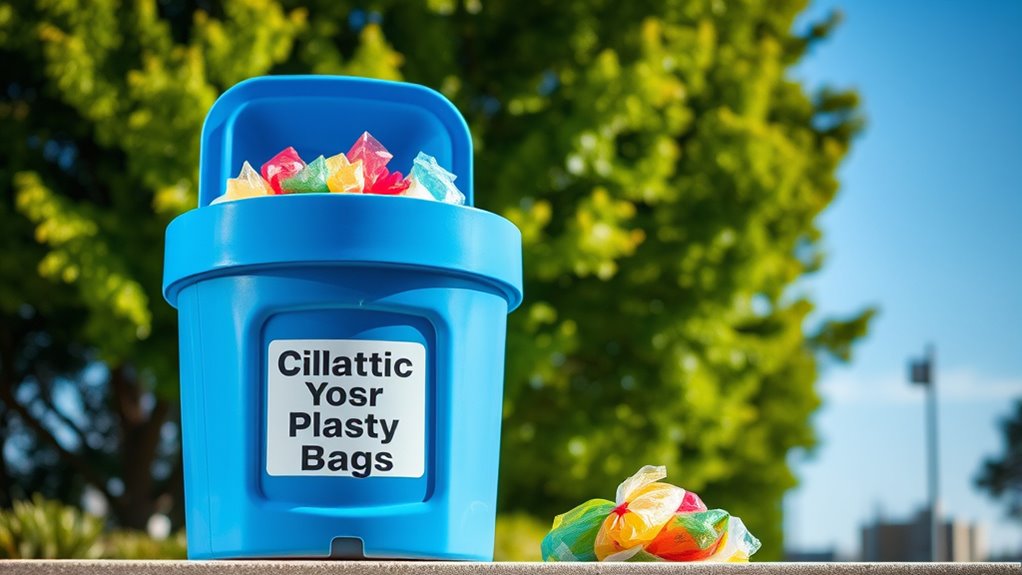
Wondering where you can recycle plastic grocery bags near you? Luckily, many recycling locations offer bag collection programs, making it easy to dispose of your plastic bags responsibly.
Check with your local grocery stores; most have dedicated bins specifically for plastic bag recycling. These collection points are convenient and often located near the store entrance.
Furthermore, some retail chains and big-box stores participate in bag recycling programs, so it’s worth asking or looking for signage. City recycling centers might also accept plastic grocery bags, but it’s best to verify their guidelines beforehand.
Keep in mind that plastic bags shouldn’t go in your curbside recycling bin, as they can jam recycling machinery. Instead, look for designated bag collection stations.
Understanding How Plastic Bag Recycling Programs Operate
Plastic bag recycling programs usually have specific collection points where you can drop off your used bags. These sites are set up to make recycling easy and accessible for everyone.
They follow clear policies to ensure bags are sorted and recycled correctly. When you bring your bags, you’re helping reduce landfill waste and save resources.
Education is key in these programs. It helps you know which plastics are accepted and how to prepare your bags for recycling.
Understanding recycling guidelines ensures your plastic bags are properly prepared and accepted.
Some programs might ask you to clean or flatten your bags before dropping them off. Others only accept certain types of plastic bags.
Learning how these programs work means you can recycle more effectively. Your efforts support environmental sustainability and community waste management.
Drop Off Your Plastic Bags at Local Grocery Stores
Many local grocery stores now serve as convenient drop-off points for used plastic bags, making recycling easy for shoppers. These stores often have designated bins near entrances or exits, encouraging you to recycle your plastic bags responsibly.
Grocery store partnerships with recycling programs help simplify the process, so you don’t have to search far or make special trips. It’s important to know each store’s plastic bag policies, as some may only accept certain types or require bags to be clean and dry.
By dropping off your plastic bags at these locations, you help reduce waste and support sustainable practices. Many stores actively promote recycling efforts, making it easier for you to do your part.
Check with your local grocery stores to see if they participate in these programs, and remember to follow their guidelines to ensure your bags are properly recycled.
Find Recycling Centers That Accept Plastic Bags
Finding a recycling center that accepts plastic bags is an important step in reducing waste and keeping them out of landfills. Start by checking with local recycling facilities or waste management services to see if they accept plastic grocery bags. Many centers specifically list plastic bag acceptance on their websites.
Locate local recycling centers that accept plastic bags to help reduce waste and protect the environment.
If your area doesn’t, look for dedicated drop-off locations or recycling centers that accept plastic film and bags. While recycling is essential, consider reuse strategies and bag alternatives to cut down on plastic use altogether.
Reusable bags made from cloth or other durable materials are great options. Some stores even offer incentives for bringing your own bags, encouraging sustainable habits.
Always clean and dry your plastic bags before recycling them and avoid recycling bags with food residue. By actively seeking out proper recycling centers and exploring reuse options, you help protect the environment and promote more sustainable shopping habits.
Community Events and Initiatives for Recycling Plastic Bags
Community events like recycling drives and cleanup days make it super easy to get involved in recycling plastic bags. Often, schools organize programs that not only teach students about sustainability but also collect plastic bags for reuse. It’s a great way to get the whole family involved and make a real difference.
Joining these initiatives helps keep your neighborhood clean and supports overall environmental efforts. Plus, it’s a fun way to connect with neighbors and learn more about how we can all contribute to a greener planet.
Local Recycling Drives
By taking part, you help spread awareness about recycling and teach others why reducing plastic waste is important. Most drives set up collection stations at easy-to-access spots, so dropping off your bags is simple.
Community-led initiatives also build a sense of shared responsibility, encouraging more people to join in. These drives not only keep plastic bags out of landfills but also strengthen community bonds and promote eco-friendly habits.
Your involvement really makes a difference in creating a cleaner, greener neighborhood for everyone.
Community Cleanup Events
Organizing cleanup events is a great way to cut down on plastic waste and boost recycling in your neighborhood. These events encourage community participation and help spread environmental awareness.
They inspire others to get involved and make a difference. Picture a lively scene: volunteers gathering, trash bags filling up, and neighbors connecting over shared goals.
Visualize this:
| Before Cleanup | After Cleanup |
|---|---|
| Littered streets | Clean, vibrant neighborhood |
| Discarded bags | Recycled materials ready for reuse |
| Empty parks | Well-maintained, welcoming spaces |
School Recycling Programs
Implementing school recycling programs offers a practical way to teach students about environmental responsibility while reducing plastic bag waste. By launching school initiatives focused on recycling, you encourage student involvement and foster eco-conscious habits early on.
These programs can include designated collection bins for plastic bags, educational campaigns, and partnerships with local recycling centers. When students actively engage in recycling efforts, they become more aware of waste reduction’s importance.
You can also organize competitions or awareness days to motivate participation and make recycling a fun, engaging activity. Not only does this help divert plastic bags from landfills, but it also instills a sense of community and environmental stewardship among students.
These initiatives create lasting habits that extend beyond the school environment.
Recycle Plastic Bags Using Public Recycling Bins
Many public recycling bins now accept plastic grocery bags, making it easy for you to dispose of them responsibly. However, challenges like contamination and sorting issues can still happen.
To promote community awareness, look for bins labeled specifically for plastics or grocery bags. Proper recycling helps reduce waste and supports local sustainability efforts.
Here’s a quick guide:
| Recycling Challenge | How to Address | Community Impact |
|---|---|---|
| Contamination of recyclables | Rinse bags before recycling | Encourages cleaner recycling streams |
| Mixed materials | Use designated bins for plastic bags | Increases recycling efficiency |
| Lack of awareness | Educate neighbors and friends | Fosters a recycling-minded community |
How to Prepare Your Plastic Bags for Recycling
To guarantee your plastic grocery bags are properly prepared for recycling, start by giving each bag a thorough rinse to remove any food residue or dirt.
This step is essential for effective plastic bag disposal and prevents contamination at recycling facilities.
Be sure to dry the bags completely or squeeze out excess water before recycling, as moisture can cause issues in the process.
Dry or squeeze out water from plastic bags to ensure smooth recycling and prevent processing problems.
Many recycling myths suggest that all plastic bags can be recycled together, but check your local guidelines to confirm which types are accepted.
Remember, plastic bags often need to be clean and dry to avoid contaminating other recyclables.
Avoid tying or stretching the bags when preparing them, as this can complicate processing.
Proper preparation guarantees your plastic bags are recycled efficiently and reduces waste going to landfills.
Taking these simple steps helps you support responsible recycling and dispels common recycling myths about plastic bag disposal.
Eco-Friendly Alternatives to Plastic Grocery Bags
If you’re looking to reduce plastic waste, switching to eco-friendly alternatives for grocery bags is a smart move. Sustainable shopping means choosing biodegradable options like compostable bags or reusable containers, which greatly lessen environmental impact.
Eco-friendly brands offer a variety of zero waste solutions that help cut down on single-use plastics. Reusable bags made from cloth or durable materials are practical for everyday shopping and support better habits over time.
By opting for green packaging, you contribute to fewer landfill contributions and less pollution. Your choices can really make a difference in promoting environmental sustainability.
Adding eco-friendly alternatives to your routine benefits the planet and encourages others to do the same. Whether you choose biodegradable bags or reusable containers, these small steps support a healthier, greener future and align with your values of responsible consumption.
Benefits of Recycling Plastic Bags for Your Community and Environment
Recycling plastic bags offers big benefits for your community and the environment by cutting down waste and saving resources. When you recycle, you help raise awareness about proper waste management and sustainability.
This awareness encourages others to join in, creating a team effort to reduce landfill overflow and litter. Recycling plastic bags also lessens the environmental impact by cutting the need for new plastic, saving energy and lowering greenhouse gases.
Plus, it keeps plastic bags out of waterways and away from wildlife. By recycling, you help keep your environment cleaner and healthier while promoting responsible habits in your community.
The more people understand why recycling plastic bags matters, the bigger the positive impact on local ecosystems. Your actions can inspire others to adopt eco-friendly habits, creating a ripple effect that benefits everyone.
In the end, recycling plastic bags helps strengthen community bonds and supports long-term environmental health.
Tips to Maximize Your Plastic Waste Recycling Efforts
Want to make the most of your plastic bag recycling? Start by sorting your bags carefully so they don’t get contaminated—that way, they can be recycled properly. And if you can, try using reusable bags instead of single-use ones; it’s a great way to cut down on waste overall.
Also, don’t forget to support your local recycling programs. When they’re strong and well-funded, your efforts really do make a difference. Just taking these small steps can boost your recycling success and help protect our environment.
Sort Bags Properly
Properly sorting your plastic grocery bags is key to making sure they get recycled properly. First, understand the different types — like thin grocery bags and thicker produce bags — and sort them accordingly.
Use clear methods: keep bags clean and dry, removing receipts, food residue, or debris. Flattening bags helps save space and keeps the recycling machines running smoothly.
Make sure to separate plastic bags from other recyclables to prevent contamination. Check with your local recycling facility to see which bags they accept, as not all are recyclable everywhere.
Good sorting reduces processing delays and ensures your bags are recycled correctly. By following these simple steps, you help boost your recycling efforts and lessen environmental impact.
Use Reusable Alternatives
Using reusable alternatives is one of the most effective ways to cut down on plastic waste and support your recycling efforts. By choosing durable, eco-friendly options, you’re actively participating in sustainable shopping and reducing single-use plastics.
To make the biggest impact, try these simple steps:
- Choose cloth or mesh bags for grocery shopping. They can be used again and again for years.
- Use sturdy, reusable containers for produce and bulk items to avoid plastic bags.
- Carry a foldable tote or backpack so you can skip plastic bags during spontaneous shopping trips.
These habits not only cut down on waste but also promote a more sustainable lifestyle, making your recycling efforts more meaningful.
Support Local Recycling Programs
Supporting your local recycling programs can really help reduce plastic waste. By getting involved in community efforts, you’re helping to improve recycling infrastructure and awareness.
You can volunteer or advocate for better recycling services in your area. Many communities have drop-off points or organize collection events for plastics, including grocery bags.
When you support these programs, you ensure more plastic gets properly recycled instead of ending up in landfills or the environment. Plus, encouraging local initiatives can inspire others to join your efforts, creating a ripple effect.
Your active support helps build a more sustainable community. It makes recycling more accessible and effective for everyone. Together, these efforts make a real difference in reducing plastic waste.
Frequently Asked Questions
Are There Any Fees for Recycling Plastic Grocery Bags?
No, there usually aren’t any recycling fees for plastic grocery bag disposal. Most recycling centers or grocery stores accept bags for free as part of their environmental efforts.
However, some places might charge a small fee for bag disposal to cover handling costs. It’s best to check with your local recycling facility or store to confirm their policies so you can avoid unexpected charges and help with eco-friendly waste management.
Can I Recycle Other Types of Plastic Bags Besides Grocery Bags?
Did you know only about 9% of plastic waste gets recycled globally? Yes, you can recycle other types of plastic bags, like bread or produce bags, at some recycling centers.
However, consider recycling alternatives or biodegradable options to reduce waste further. Many stores accept various plastic bags, but always check local guidelines.
Switching to biodegradable options can greatly lessen environmental impact and make recycling easier for all types of plastic bags.
How Often Are Recycling Programs for Plastic Bags Available?
Recycling programs for plastic bags are usually available through local recycling centers and community efforts, but how often they are available can differ. Some areas have regular drop-off bins, while others might hold special collection events just a few times a year.
To stay in the loop, check your city’s waste management website or get in touch with local community centers. This way, you can easily recycle your plastic bags and do your part for the environment.
What Happens to Plastic Bags After They Are Recycled?
Plastic bags, after recycling, go through a detailed process to become new, useful items, helping to reduce environmental harm. During recycling, these bags are first cleaned to remove dirt and contaminants.
Next, they are shredded into small pieces and melted down into raw materials called plastic pellets. These tiny pellets are the building blocks for making a variety of new products.
Manufacturers then use these pellets to create items like carpets, containers, and even fresh plastic bags. This cycle helps cut down on waste, saves resources, and supports a cleaner, greener planet.
Are There Specific Hours to Drop off Plastic Grocery Bags?
Recycling locations usually have specific hours for drop-offs, so check their website or call ahead.
You should prepare your plastic grocery bags by emptying, drying, and flattening them to save space.
During designated hours, bring your bags to the recycling site, making sure they’re clean and properly prepared.
This helps streamline the process and guarantees your bags are effectively recycled, reducing environmental impact.
Conclusion
By embracing these recycling options and exploring eco-friendly alternatives, you’re helping to ease the burden on our planet’s delicate balance. Every small step you take creates a ripple of positive change.
Your efforts, like a whisper of hope—soft yet powerful—make a real difference. Recycling plastic grocery bags is a simple way to protect our environment.
So, continue your journey with confidence, knowing that recycling plastic grocery bags contributes to a greener, healthier future for everyone.