What Is a Grocery Clerk?
Many people find navigating grocery stores overwhelming, unsure where to find what they need or how to get help. If you’ve ever felt lost or frustrated shopping, you’re not alone. Grocery clerks play a key role in making your shopping experience smoother.
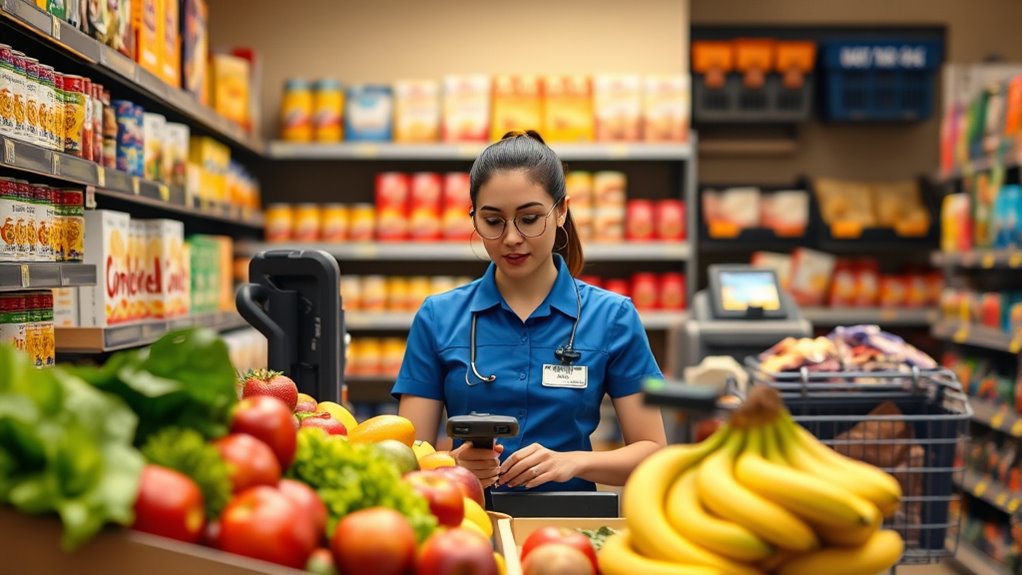
A grocery clerk is a retail worker responsible for stocking shelves, assisting customers, and keeping the store clean and organized. You’ll check inventory levels, help shoppers find what they need, and guarantee products are properly labeled and fresh.
You’ll also handle cashier duties and maintain store safety.
If you want to learn more about the skills, environment, and career growth opportunities for grocery clerks, there’s plenty more to explore.
Key Takeaways
- A grocery clerk helps customers, restocks shelves, and keeps the store clean.
- They also handle inventory management, pricing, and sometimes work as cashiers.
- The job needs good communication, organization, and customer service skills.
- Grocery clerks work in different types of stores and use tools like barcode scanners and inventory systems.
- They play a part in the store’s success by providing friendly service and keeping things running smoothly.
What Does a Grocery Clerk Do?

A grocery clerk plays an essential role in keeping the store running smoothly by performing a variety of tasks. Your responsibilities include restocking shelves, organizing products, and making sure everything is labeled correctly.
You’ll handle daily tasks like checking inventory levels and placing orders to keep shelves stocked. Customer service is a big part of your job, so you help shoppers find items and answer their questions politely.
Checking inventory and assisting customers ensures shelves stay stocked and shoppers have a positive experience.
You also keep the store clean, including sweeping aisles and checking for damaged or expired products. Cashiering duties might be part of your routine, scanning items and processing payments efficiently.
Additionally, you monitor for safety hazards and report any issues to management. Your attention to detail and ability to multitask help ensure customers have a positive shopping experience.
How to Become a Grocery Clerk: Requirements and Steps
To become a grocery clerk, you’ll generally need to meet some basic requirements and follow a few steps. Most employers prefer candidates with a high school diploma or equivalent, which is part of your grocery clerk education.
While formal education isn’t always a must, taking some courses related to customer service or retail can give you an advantage. Gaining experience through job shadowing at local stores can also be really helpful.
These opportunities let you see how experienced clerks handle tasks like stocking shelves, helping customers, and operating cash registers. After that, you should apply for entry-level positions, often found on online job boards or by asking in stores.
Once you get hired, you’ll usually go through on-the-job training. Focus on learning store procedures, customer service skills, and how to organize products—these will help you succeed as a grocery clerk.
What Skills Are Essential for Grocery Clerks?
Being a grocery clerk means you really need to communicate well. When you talk to customers clearly, it helps them find what they’re looking for and feel comfortable asking questions. It’s all about making their shopping experience easier and more enjoyable.
And don’t forget about paying attention to the details. Keeping shelves stocked properly and making sure prices are correct isn’t just about organization — it’s about building trust with the customers. When you stay focused and detail-oriented, everything runs smoothly, and shoppers leave happy.
Effective Communication Skills
| Skill | Example |
|---|---|
| Active listening | Nodding while customers speak |
| Nonverbal cues | Smiling to create a welcoming atmosphere |
| Clear speaking | Explaining product locations clearly |
Attention to Detail
Having strong communication skills helps you connect with customers, but paying close attention to detail guarantees you meet their needs accurately.
As a grocery clerk, your focus on grocery organization ensures shelves stay tidy and products are easy to find. This improves the shopping experience and reduces errors.
Precision in pricing accuracy is essential; mislabeling items can lead to customer frustration or loss of trust. You need to double-check labels, scan items correctly, and verify prices before checkout.
Small details like expiration dates and stock levels also matter. Missing these can cause issues later.
Your ability to stay attentive to these details ensures smooth store operations, happy customers, and a well-maintained shopping environment.
Where Do Grocery Clerks Work and What’s the Environment Like?
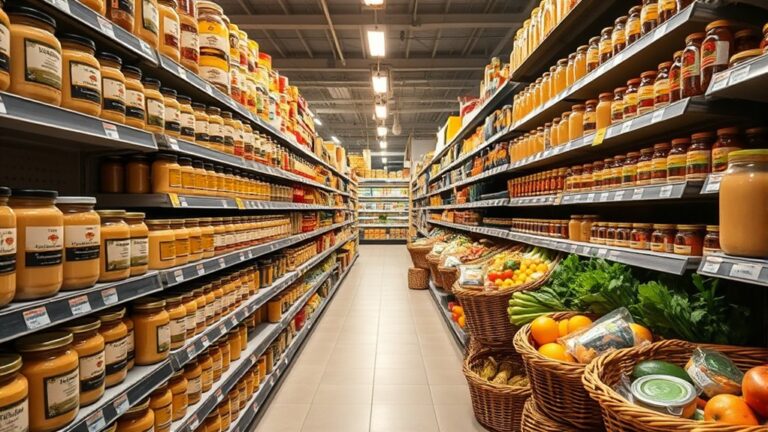
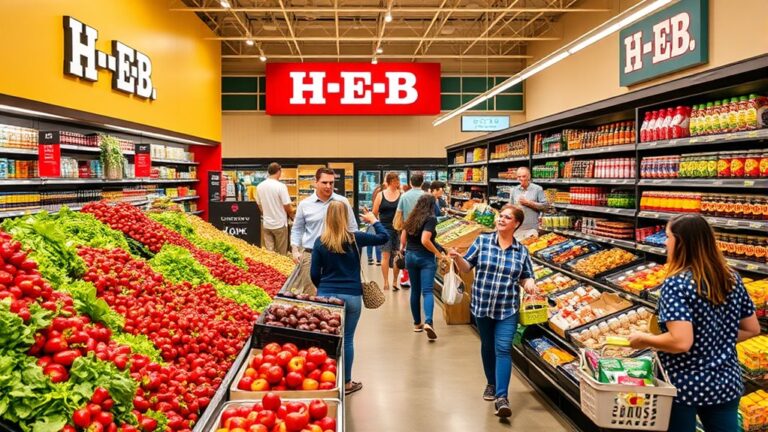
Grocery clerks usually work in supermarkets, grocery stores, and convenience stores, helping keep things organized and running smoothly. Your job involves knowing the store layout so you can quickly find and stock items, making shopping easier for customers.
You’ll also spend a lot of time talking to customers, answering questions, and guiding them around the store. The environment can be busy, especially during peak hours, but it feels good when customers leave happy.
Here’s a quick look at where grocery clerks work:
| Store Type | Environment Description | Key Responsibilities |
|---|---|---|
| Supermarkets | Large, busy, well-organized | Stocking shelves, helping customers |
| Convenience Stores | Small, fast-paced | Managing shelves, checking out |
| Specialty Stores | Focused, niche environment | Handling specialty items |
Your day is all about keeping the store clean and organized, and making sure customers have a positive experience.
Tools and Equipment Grocery Clerks Use Every Day
As a grocery clerk, you’ll find yourself using tools like cash registers all the time. They help you handle transactions quickly and accurately, so customers don’t have to wait long. It makes your job smoother and keeps everything running on time.
You’ll also use inventory management systems to keep track of stock levels. These tools are super helpful because they make sure shelves stay stocked with the right products. Overall, these gadgets and systems help you work more efficiently and give better service to everyone who comes in.
Cash Register Operation
Cash registers are essential tools that grocery clerks rely on daily to process transactions efficiently. You use them to scan items, input prices, and handle payments quickly. To keep checkout lines moving smoothly, you follow strict cash handling procedures, making sure every transaction is secure and accurate.
Accuracy is really important—you double-check prices and totals to prevent mistakes. You also operate the register’s features, like applying discounts or voiding errors, so the customer pays the right amount. Being familiar with the register’s functions helps you work faster and avoids errors.
Proper operation ensures both customer satisfaction and store security. With steady attention, you keep transactions precise and efficient, making sure each customer leaves happy and the store’s records stay correct.
Inventory Management Tools
To keep shelves stocked and inventory accurate, grocery clerks rely on a variety of management tools and equipment every day. These tools help with inventory tracking and ensure products are available when customers need them.
- Barcode scanners: You quickly scan items, updating inventory in real-time and reducing errors.
- Inventory software: Integrated with POS systems, it streamlines stock management and alerts you when supplies run low.
- Electronic shelf labels: These update automatically to reflect current prices and stock levels.
- Handheld devices: You use these for inventory counts, making quick updates and accurate tracking easier.
Together, these tools improve efficiency, minimize stockouts, and keep your store running smoothly. Proper use of inventory management tools is essential for a grocery clerk’s daily success.
What Challenges Do Grocery Clerks Face?
Grocery clerks often face a variety of challenges that can make their jobs demanding and sometimes stressful. Handling customer interactions requires patience and good communication, especially when resolving problems or addressing complaints.
You must stay calm under pressure and practice stress management to keep a positive attitude. Team dynamics are important; working well with colleagues helps ensure smooth daily operations.
Balancing work and personal life can be tough, especially with shift flexibility that might include nights or weekends. Safety protocols are critical to prevent accidents and keep everyone safe.
Technology like scanning systems and inventory updates can be complex to learn but are essential for efficiency. These challenges require adaptability, focus, and resilience.
Why Customer Service Is Key for Grocery Store Employees
Customer service is the heart of a successful grocery store experience because it directly impacts how customers feel about their visit. When you focus on providing excellent service, you create positive interactions that encourage shoppers to come back.
Great service builds trust and loyalty, making customers feel valued. Here are four reasons why customer service really matters:
1. Enhances customer satisfaction
Friendly, helpful interactions leave a lasting impression.
2. Boosts sales
Engaged customers are more likely to make additional purchases.
3. Reduces complaints
Quick, effective solutions help prevent negative experiences.
4. Creates a welcoming environment
Your attitude sets the tone for the store’s atmosphere.
How to Grow Your Career in Grocery Retail
If you’re looking to grow your career in grocery retail, the first thing to do is focus on developing skills that really matter in this industry. Things like inventory management and customer service are key—they’re the backbone of the business and will make you stand out.
Don’t forget to keep an eye out for opportunities to take on more responsibility. Whether it’s helping out with a new project or stepping into a supervisory role, these chances can really boost your experience and confidence.
Develop Relevant Skills
Building your skill set is key to moving forward in grocery retail. To grow your career, focus on skills that improve how you interact with customers and solve problems. These abilities help you handle tough situations confidently and provide better service.
Here are four skills to focus on:
- Effective Communication: Clearly share information and listen carefully to what customers need.
- Problem Solving: Quickly spot issues and find practical ways to keep the store running smoothly.
- Product Knowledge: Know the store inventory well so you can help customers efficiently and answer their questions accurately.
- Adaptability: Stay flexible when tasks change or unexpected problems come up. Show resilience and resourcefulness.
Improving these skills makes you more valuable as a grocery clerk and gets you ready for future opportunities.
Seek Advancement Opportunities
Growing your career in grocery retail means actively looking for chances to move up. Don’t hesitate to ask about promotion paths and let others know you’re interested in taking on new responsibilities.
Show initiative by volunteering for tough tasks or leadership roles—that can really make you stand out. Keep an eye on internal job openings or training programs that can help you grow.
Building strong relationships with managers and colleagues can also open doors to new opportunities. Keep improving your skills and gaining experience to show you’re committed to growth.
What Qualities Make a Great Grocery Clerk?
A great grocery clerk has a mix of qualities that help you succeed in a busy retail setting. Being friendly and patient during customer interactions makes shoppers feel appreciated.
A great grocery clerk combines friendliness and patience to make every customer feel valued.
Good communication skills are key to ensuring clear and helpful conversations. Staying organized helps you handle tasks smoothly, even when the store gets busy.
Having a teamwork mindset allows you to work well with others and adapt quickly to new situations. These qualities come together to help you provide excellent service and succeed in your role.
Here are four qualities that define an exceptional grocery clerk:
- Excellent communication skills for effective customer interactions.
- Patience and friendliness to create a welcoming environment.
- Organizational skills to stay on top of tasks and inventory.
- Teamwork mindset to support colleagues and improve store operations.
Focusing on these qualities helps you deliver outstanding service and thrive in your role.
How Grocery Clerks Contribute to Store Success
Grocery clerks play an essential role in the success of a store by making sure customers have a positive shopping experience and that everything runs smoothly. Your friendly attitude and helpfulness help create a welcoming store atmosphere, encouraging customers to come back.
When you assist shoppers quickly and answer their questions, you build trust and loyalty. Your attention to cleanliness and organization also make the store a better place to shop, making it easier and more enjoyable for everyone.
By restocking shelves efficiently and keeping products available, you prevent frustration and keep customers happy. Your proactive approach helps the store operate seamlessly, which boosts sales and the store’s reputation.
A positive store atmosphere, driven by attentive clerks like you, keeps customers coming back and spreads good word-of-mouth. Your role directly impacts customer satisfaction, loyalty, and the overall success of the store.
Your efforts turn a simple grocery trip into a positive experience that benefits everyone involved.
Frequently Asked Questions
What Are the Typical Working Hours for a Grocery Clerk?
You typically work around 20 to 30 hours a week, with shifts often covering mornings, evenings, and weekends.
During your shifts, you handle grocery tasks like stocking shelves and organizing displays, while also engaging with customers to answer questions and help shoppers.
Your hours can vary depending on the store’s schedule, but being flexible is important to meet customer needs and keep the store running smoothly.
How Much Does a Grocery Clerk Typically Earn?
You can expect a grocery clerk to earn around $12 to $15 per hour, making the job a steady stream of income. Salary expectations vary with experience and location, so wages tend to be higher in urban areas.
Think of it as planting seeds—your wages grow as you gain experience. While it’s not a fortune, it offers reliable pay, especially for entry-level work.
There’s room to increase your earnings over time as you learn and take on more responsibilities.
Are Grocery Clerk Jobs Suitable for Beginners?
Yes, grocery clerk jobs are suitable for beginners. You mainly need entry-level skills like basic customer service, communication, and organization.
The role involves helping customers, restocking shelves, and operating cash registers, which are great for gaining experience. Employers often train new hires on specific tasks.
This makes it an ideal starting point for those looking to enter the retail industry or build foundational skills.
What Safety Protocols Do Grocery Clerks Follow?
You follow safety training, practice hazard awareness, and stick to store policies.
You wear protective gear, handle equipment properly, and keep aisles clear.
You clean up spills quickly, spot potential hazards, and report unsafe conditions.
By staying alert and following safety protocols, you protect yourself and customers.
Your proactive approach reduces risks, keeps the environment safe, and shows your commitment to safety in everything you do.
Can Grocery Clerks Work Part-Time or Seasonal Shifts?
Yes, you can work part-time or seasonal shifts as a grocery clerk. Many stores offer part-time opportunities to accommodate students or those needing flexible schedules.
Seasonal demand during holidays or special events often creates temporary positions. These shifts let you earn extra income, gain experience, and fit work around other commitments.
Just check with your local store for available part-time or seasonal roles.
Conclusion
In the bustling symphony of the grocery store, your role as a grocery clerk is like a steady drumbeat, guiding the rhythm and flow. With your attentive touch and welcoming smile, you help customers navigate their shopping journey smoothly.
Every task you undertake adds a brushstroke to the vibrant canvas of store success. Adopt this essential position, and you’ll find yourself weaving a tapestry of community connection and daily fulfillment amidst the aisles.
Being a grocery clerk means more than just restocking shelves—it’s about creating a positive shopping experience for everyone. Your role is vital in keeping the store running smoothly and making customers feel valued.