Do You Find Tahini Paste in Grocery Store Aisles?
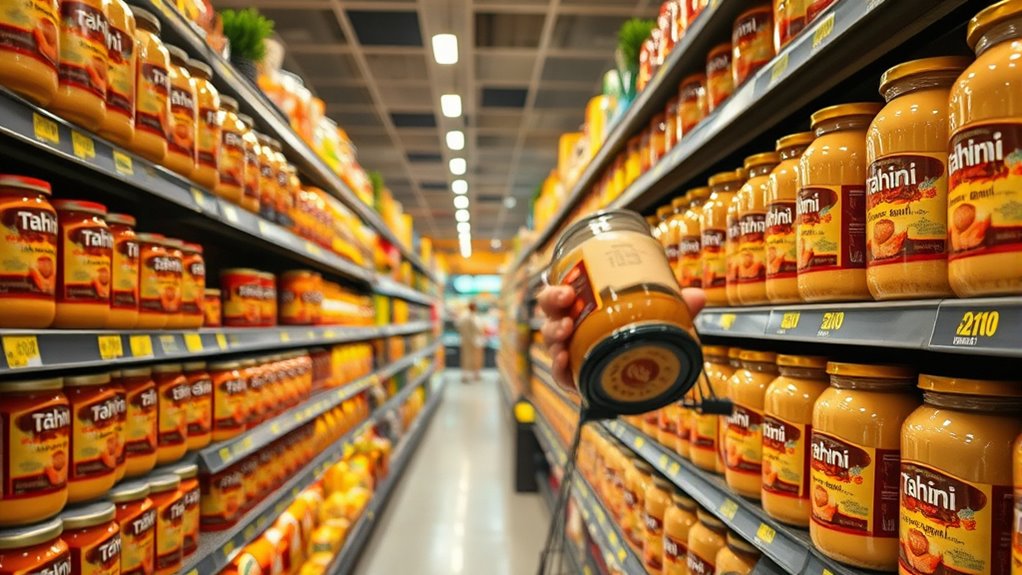
Finding tahini paste in the grocery store can sometimes feel like a mini treasure hunt, especially if you’re new to shopping or exploring international foods. Many people struggle to locate it among the aisles filled with familiar condiments and spreads. You’re not alone in this—tahini can be tricky to spot if you’re not sure where to look.
Yes, you can find tahini paste in most grocery store aisles, especially in the international or Middle Eastern foods section. It’s often placed alongside other condiments or nut butters.
Some stores may have it in the health food aisle or specialized international markets. If you’re unsure, ask store staff—they’re usually happy to help.
Want to uncover tips for choosing quality tahini and versatile ways to use it? Keep exploring for all the details.
Key Takeaways
- Tahini paste is usually found in the international or Middle Eastern foods aisles.
- You might also find it in the health food or organic section of the store.
- Some stores set aside specific shelves for international ingredients, including tahini.
- Larger grocery stores or specialty markets tend to carry more brands of tahini.
- If you’re not sure where to look, don’t hesitate to ask a staff member for help.
What Is Tahini Paste and Why Is It Useful?
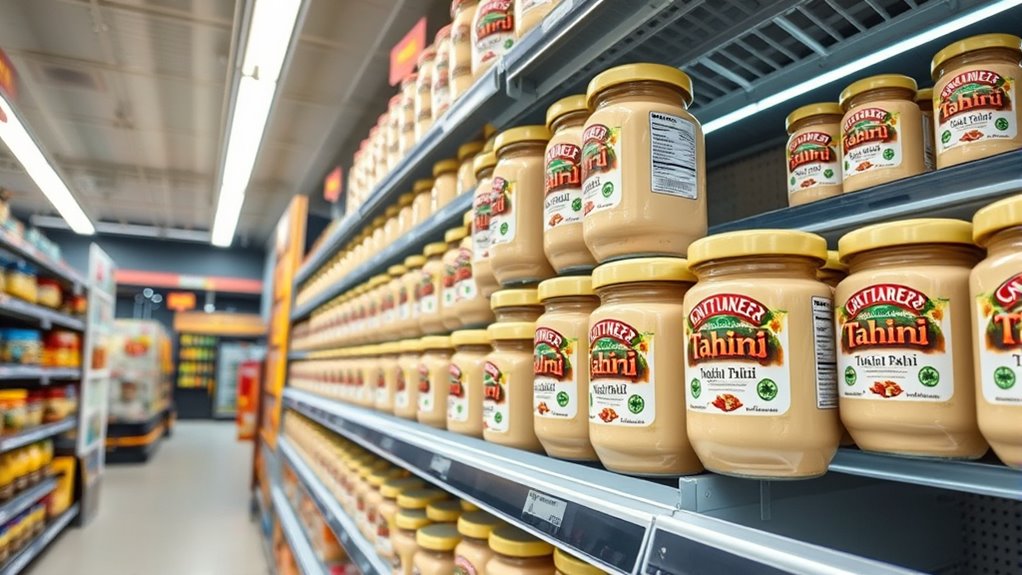
Tahini paste is a creamy, nutty spread made from ground sesame seeds. It’s a versatile ingredient that can really enhance many dishes.
The benefits of tahini go beyond just flavor. It’s packed with healthy fats, protein, and essential nutrients, making it a nutritious addition to your diet.
Tahini is a nutritious source of healthy fats, protein, and essential nutrients for your diet.
Its smooth texture and mild taste make it easy to incorporate into both savory and sweet recipes. You can use tahini as a base for hummus, drizzle it over roasted vegetables, or mix it into salad dressings for added creaminess.
Because of its rich flavor profile and health benefits, tahini has become a staple in many kitchens. Whether you’re making traditional Middle Eastern dishes or trying out new recipes, it’s a simple way to boost both flavor and nutrition.
What Are the Different Types of Tahini, and Which Is Best for You?
There are actually quite a few types of tahini out there, from the traditional kind to toasted versions, each bringing its own unique flavor to the table. If you’re into organic or raw foods, you’ll be happy to know those options are available too, letting you pick what aligns best with your health goals. Then you’ve got the light and dark varieties, which can really change up the flavor and texture of your dishes. When you understand these differences, it’s easier to choose the perfect tahini that suits your taste buds and the recipes you’re working on.
Traditional vs. Toasted Tahini
While both traditional and toasted tahini are made from sesame seeds, their flavor profiles and uses are quite different. Traditional tahini has a mild, nutty flavor that works well in classic dishes like hummus and dressings.
Toasted tahini has a richer, deeper taste because of the roasting process, which boosts its aroma and flavor. You might prefer toasted tahini for baking or recipes that need a stronger sesame flavor.
Both types offer health benefits like healthy fats, protein, and minerals. Use traditional tahini for delicate sauces and dips, while toasted tahini adds depth to roasted vegetables or hearty spreads.
Here’s a quick comparison:
| Feature | Traditional Tahini | Toasted Tahini | Best Uses |
|---|---|---|---|
| Flavor | Mild, nutty | Rich, roasted | Traditional dishes, baking |
| Aroma | Subtle | Intense | Roasted vegetables, spreads |
| Health benefits | Preserved, raw sesame | Slightly altered | All-around nutritious |
Organic and Raw Options
Choosing between organic and raw tahini depends on what matters most to you—health, flavor, or how it’s processed.
Organic sourcing means the tahini comes from sesame seeds grown without synthetic pesticides or fertilizers. Some people find this healthier and better for the environment.
Raw tahini keeps more natural nutrients, antioxidants, and enzymes because it’s minimally processed and not roasted. If you want pure, less processed ingredients, raw might be the way to go.
Organic tahini focuses on sustainable farming and avoiding chemicals. Both options are popular with health-conscious folks, but your choice depends on whether you prefer nutrient preservation or eco-friendly, chemical-free options.
Light vs. Dark Variants
Tahini comes in light and dark varieties, each offering distinct flavors and uses. Light tahini has a mild, nutty flavor that works well for dressings and dips. Dark tahini has a richer, more robust flavor, perfect for hearty dishes.
The nutritional differences are subtle but meaningful. Darker tahini may contain higher antioxidant levels because of longer roasting or different ingredient sourcing. Texture varies too—light tahini tends to be smoother, while dark tahini can be thicker and more textured.
When choosing, think about these factors:
- Flavor profiles—go for light if you want subtlety, dark for depth.
- Culinary uses—light suits delicate recipes, dark is better for intense dishes.
- Health benefits—both provide healthy fats, but dark may offer added antioxidants.
How to Recognize High-Quality Tahini on Grocery Shelves
Ever wonder how to spot high-quality tahini on grocery shelves? Start by checking the ingredient list—good tahini usually has just sesame seeds and maybe a bit of oil, with no preservatives or additives.
Look at the label for a smooth, creamy texture, which shows proper processing. The flavor should be rich, slightly nutty, and balanced, not bitter or harsh.
High-quality tahini is a great source of healthy fats, protein, and minerals like calcium and magnesium. Choose brands that focus on natural, minimally processed ingredients.
Color can also give you clues. Lighter tahini often means less roasted seeds, but a consistent golden hue suggests quality.
Where to Find Tahini in Grocery Stores and International Aisles
Have you ever wondered where to find tahini once you’re in the grocery store? Usually, you’ll find it in a few key areas. First, check the middle aisles with international foods, especially Middle Eastern or Mediterranean sections. Second, browse the health food aisle, where natural and organic products often include tahini. Third, visit the international markets within big grocery stores, which may carry a broader selection of Middle Eastern ingredients.
Keep in mind that many grocery stores now dedicate specific shelves for international ingredients. International markets often have a wider variety of tahini brands and styles. If you don’t see it on the shelves, the store’s staff can usually point you toward the right aisle or section.
Knowing where to look makes finding tahini easier, whether in a local grocery store or an international market.
How to Ask Store Staff About Tahini Availability
When you’re unsure if a store carries tahini, asking a staff member directly can save you time. Approach a team member politely and specify what you’re looking for, like, “Do you have tahini paste in stock?”
If they’re unsure, ask about tahini storage areas or specific brands they carry. Mention brands like Tahini Gourmet or Soom to help narrow down the search.
If they don’t have tahini readily available, ask if it’s temporarily out of stock or if they can recommend similar products. Store staff often know where items are located or if they’re arriving soon.
Being clear and direct makes it easier for them to help you efficiently. Remember to check different sections, especially international or health food aisles, as tahini may be stored in various areas depending on the store.
Can You Make Your Own Tahini at Home If It’s Not Available?
If you can’t find tahini at your local store, don’t worry—you can easily make it at home with just sesame seeds and some oil. It’s a simple process, and once you’ve got your ingredients, you just need to blend everything until it turns into a smooth, creamy paste.
Just a heads-up: keep an eye on the texture as you blend. You might want to add a little more oil if it’s too thick or not blending smoothly. The best part is, you can adjust it to get that perfect consistency you like!
Ingredients Needed For Homemade Tahini
Making your own tahini at home is simple and requires just a few basic ingredients. The key to enjoying homemade benefits and exploring flavor variations is starting with quality components. You’ll need:
- Sesame Seeds – The main ingredient, toasted or raw based on your flavor preference.
- Oil – Typically sesame oil or a neutral oil like olive oil to get that creamy texture.
- Salt – Just a pinch to boost flavor, but you can leave it out or adjust for different tastes.
With these ingredients, you can customize your tahini’s flavor and consistency. Homemade tahini gives you control over the ingredients, so you can experiment with roast levels and oils for unique flavors. It’s a versatile base for many dishes and a great option if store-bought isn’t available.
Step-by-Step Preparation Process
Creating homemade tahini is straightforward, even if you don’t have it from the store. Start by lightly toasting sesame seeds in a dry pan until they turn golden, then let them cool.
Transfer the seeds to a food processor and blend until finely ground. Slowly add a neutral oil like sesame or olive while processing until it’s smooth and creamy.
Store your tahini in an airtight container to keep it fresh and prevent spoilage. This homemade version is great for customizing to your taste and using in recipes from hummus to dressings.
When you’re not using it, make sure to store it properly so it stays fresh for weeks. Making tahini at home gives you control over quality and flavor, making it a versatile pantry staple.
Tips for Perfect Texture
Achieving the perfect tahini texture relies on the right balance of ingredients and processing techniques. To get that smooth, creamy consistency, consider these tips:
- Roast and blend nuts or sesame seeds thoroughly to improve flavor and prevent graininess. This step really helps boost the taste and texture.
- Gradually add oil during blending until you reach your desired tahini consistency. It makes the paste smooth and pourable.
- Store properly in an airtight container in a cool, dark place. This helps preserve the creamy texture and keeps it from spoiling.
If you make tahini at home, adjusting these steps guarantees a silky, flavorful paste. Keep in mind, homemade tahini may separate — a quick stir brings back its smoothness.
Using consistent techniques ensures your tahini stays delicious and easy to use every time.
Common Substitutes for Store-Bought Tahini When It’s Out of Stock
When your grocery store is out of tahini, there are several effective substitutes you can turn to that mimic its creamy texture and nutty flavor. Nut butter alternatives like almond or cashew butter work well, offering similar richness and smoothness.
You can also use sesame seed paste as a direct replacement, maintaining that authentic flavor profile. If you want a neutral-tasting substitute, blending sunflower seed butter or peanut butter can fill in, though they may alter the flavor slightly.
For a more traditional approach, blending toasted sesame seeds with a bit of oil can create a homemade sesame seed paste that closely resembles store-bought tahini. Keep in mind that each substitute may have a different consistency or taste, so adjusting the amount of oil or seasoning might be necessary.
These options guarantee you can keep your recipes on track without missing a beat, even when tahini isn’t available.
Tips for Incorporating Tahini Into Your Recipes When You Can’t Find It
If you’re having trouble finding tahini, don’t worry! You can swap it out with nut butters like almond or cashew—they’ve got a similar texture and flavor that work pretty well.
Another option is to look for tahini alternatives made from sunflower or pumpkin seeds. These tend to mimic the nutty richness of tahini and can be a great substitute in most recipes.
And if you want to get a bit crafty, try adding ground sesame seeds. They can give you that same nutty taste and creamy consistency that tahini would add to your dish.
Substitute With Nut Butters
Even if you can’t find tahini at your local grocery store, you can easily substitute it with nut butters like almond, cashew, or peanut butter. Nut butter benefits include creaminess, natural oils, and rich flavor, making them excellent replacements for tahini flavor in recipes.
To make the most of this swap, use the nut butter in equal measure to tahini to keep the consistency right. Choose a nut butter with a mild taste to better mimic tahini’s subtlety.
You might also want to add a splash of lemon juice or a pinch of salt to improve the flavor, just like you would with tahini. These tips help you adapt recipes easily while still enjoying the creamy texture and nutty taste.
Nut butters keep your dishes flavorful and nutritious, bridging the gap effectively even when tahini isn’t available.
Use Tahini Alternatives
Finding tahini at your local grocery store isn’t always guaranteed, but that doesn’t mean you have to skip recipes that call for it. When you can’t find tahini, consider using alternatives like Greek yogurt, sunflower seed butter, or blended roasted chickpeas.
These options work well in tahini recipes, maintaining creaminess and flavor. Keep in mind, while substitutes can mimic texture, they might alter the taste slightly.
Using these alternatives allows you to keep enjoying dishes like hummus, dressings, or baked goods without missing out. Some substitutes, like sunflower seed butter, also offer similar health benefits, such as healthy fats and nutrients.
With a little experimentation, you can easily adapt your favorite recipes, preserving both flavor and nutritional value even without traditional tahini.
Incorporate Sesame Seeds
When you can’t find tahini in stores, incorporating sesame seeds directly into your recipes is a simple and flavorful alternative. Sesame seeds add nutrition, healthy fats, and a rich, nutty flavor to your dishes. Using different varieties, like white or black sesame seeds, can change the taste and look of your meals.
To make the most of sesame seeds, toast them first to boost their flavor before adding to salads, dressings, or baked goods. You can also grind sesame seeds into a paste with a food processor or mortar and pestle for a quick tahini substitute.
Sprinkle sesame seeds on top of hummus, roasted vegetables, or grain bowls for extra crunch and nutrition. These tips help you enjoy the benefits and flavors of sesame seeds even when tahini isn’t available.
What to Look for on the Label When Buying Tahini
To choose a quality tahini, start by carefully reading the label for key information. Check the ingredients—look for a simple list, ideally just sesame seeds and maybe a small amount of oil. Avoid products with added preservatives, fillers, or artificial additives to ensure you’re getting pure, wholesome tahini.
Comparing different brands can help you spot those with higher quality ingredients and better flavor. It’s also helpful to see where the sesame seeds come from, as some brands source from premium regions for better taste and nutrition.
Pay attention to the type of oil used. Cold-pressed natural oils are preferable over highly processed or hydrogenated ones. The label should also include storage instructions and shelf life.
FAQs About Finding and Using Tahini
Curious about how to incorporate tahini into your cooking or where to find it? Here are some FAQs to help you get started. First, understanding tahini benefits can motivate you to add it to your pantry, as it’s rich in healthy fats, protein, and nutrients. Second, exploring tahini recipes like hummus, dressings, or baked goods makes it versatile.
Third, knowing where to find tahini in stores can save you time. Most grocery stores have it in the international or health food aisle, or near nut butters. To guarantee quality, look for smooth, creamy textures and minimal added ingredients.
Keep in mind that tahini benefits go beyond taste. Its versatility makes it a staple for many dishes. Whether you’re new to using tahini or a seasoned cook, these FAQs help you access its full potential in your kitchen.
Frequently Asked Questions
Which Brands of Tahini Are Most Commonly Available Nationwide?
You’ll find popular tahini brands like Soom, Once Again, and Al Arz available nationwide.
These brands offer a variety of tahini types, from smooth to chunky, to suit different tastes and recipes.
You might also see store brands in some grocery stores.
Since these brands are widely distributed, finding a good tahini paste for your cooking shouldn’t be a problem.
How Long Does Store-Bought Tahini Typically Last Unopened?
Store-bought tahini can last an eternity—well, up to six months unopened. Its shelf life depends on proper storage, so keep it in a cool, dark place away from sunlight.
Always check the expiration date on the jar. Once opened, refrigerate it to maintain freshness and prevent spoilage.
Follow these storage tips, and your tahini will stay delicious and smooth for months to come.
Are There Specific Store Sections Where Tahini Is Usually Stocked?
You’ll usually find tahini in the condiments or international foods aisle of your grocery store. If you don’t see it there, check specialty stores or health food shops, as they often stock a variety of tahini alternatives and specialty brands.
Some stores also place tahini near nut butters or Middle Eastern ingredients. If you still can’t find it, ask a store employee for help—they can point you in the right direction.
Can Tahini Be Found in Organic or Health Food Store Aisles?
Yes, you can find tahini in organic or health food store aisles. These stores often carry organic options, which appeal to health-conscious shoppers.
Tahini provides many health benefits, like healthy fats, protein, and essential nutrients. When shopping, look for organic labels to make sure you’re getting a pure, high-quality product.
Exploring these aisles makes it easier to find a variety of tahini options that fit your dietary preferences.
Does the Availability of Tahini Vary by Region or Store Type?
Yes, the availability of tahini varies by region and store type. Your local preferences can influence whether stores stock it, especially in areas with diverse cuisines.
Store demographics also matter. Larger supermarkets or health food stores are more likely to carry tahini, while smaller or specialty shops might not.
To find tahini easily, check out stores that cater to international or health-conscious customers in your area.
Conclusion
So, next time you’re hunting for tahini, remember it’s basically the unicorn of the grocery store.
With a little detective work and some clever substitutes, you’ll still enjoy that creamy goodness without losing your mind.
Don’t let empty shelves turn you into a tahini addict’s nightmare.
Just keep calm, ask around, and welcome the quest because who needs a smooth sesame paste when you can turn shopping into an epic adventure?