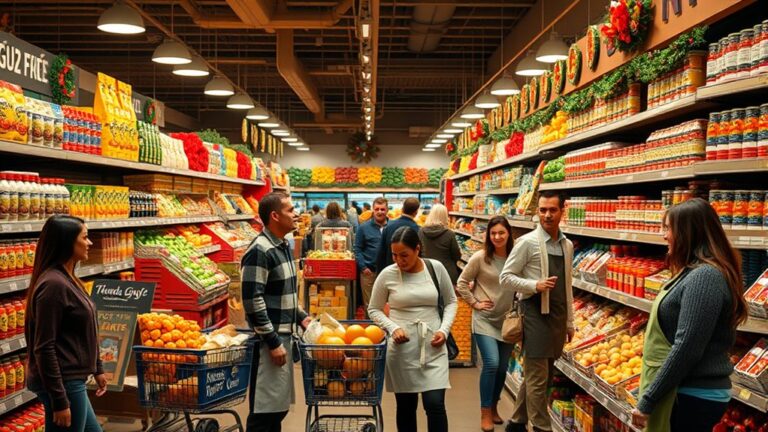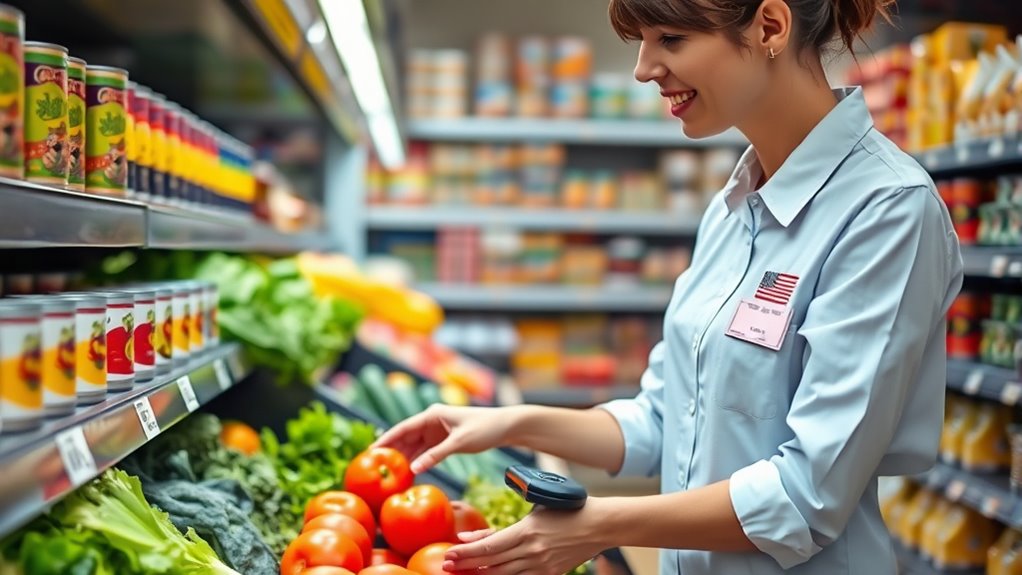
What Key Responsibilities Does a Grocery Clerk Do?
Everyone has experienced the frustration of trying to find that one essential item in a busy grocery store. Many people struggle with navigating crowded aisles or locating products quickly.
If you’re looking for ways to make your shopping experience smoother, understanding what a grocery clerk does can be really helpful.
As a grocery clerk, you assist customers by helping them find items, answering questions, and providing friendly service. You stock shelves, organize products, and manage inventory to keep the store neat and easy to navigate.
You handle transactions, apply discounts, and guarantee safety and cleanliness standards are met.
Your role also involves sharing product knowledge, supporting store promotions, and resolving issues efficiently.
Keep going to uncover more about how you can excel in this role.
Key Takeaways
- Assist customers in finding products, answer questions, and give product recommendations to make their shopping experience better.
- Handle checkout by scanning items, processing payments, and applying discounts or coupons accurately.
- Restock shelves, organize products logically, and keep an eye on inventory levels to keep the store running smoothly.
- Keep the store clean and safe by cleaning surfaces, checking refrigeration units, and removing expired items.
- Support store promotions and events by setting up displays, managing samples, and providing friendly customer service.
What Do Grocery Clerks Do to Help Customers?
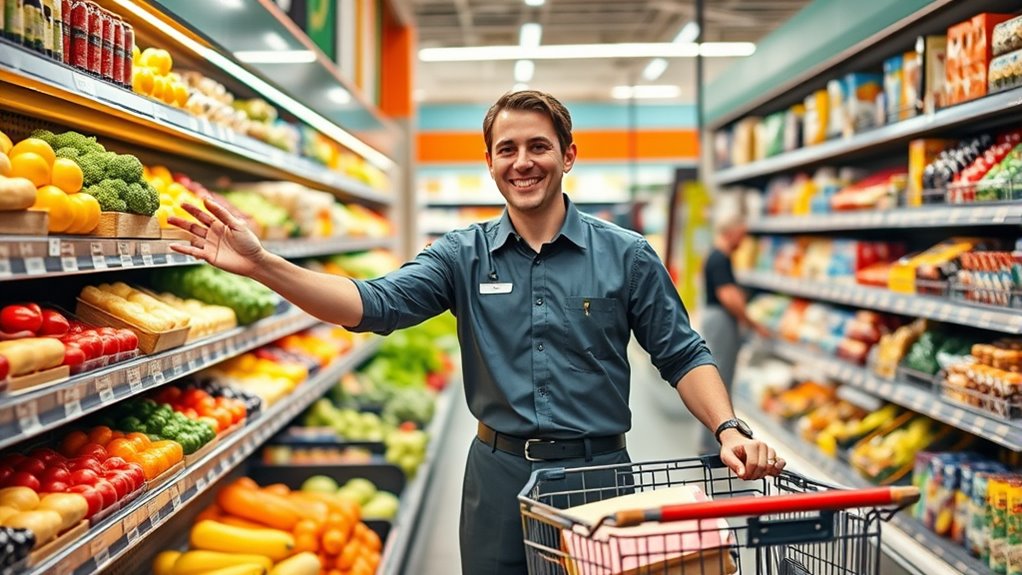
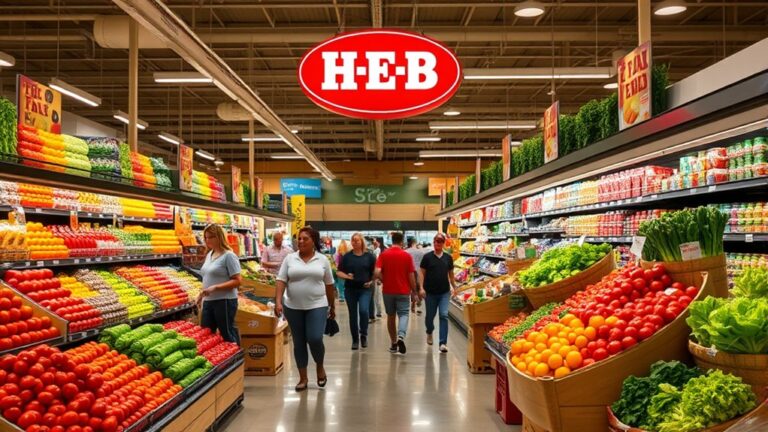
Grocery clerks play an important role in making your shopping experience smooth and efficient. They help you by quickly finding items, answering questions, and checking out your purchases with a friendly attitude.
Your satisfaction depends on their ability to provide prompt, courteous service, which is why good service etiquette is so important. Clerks ensure shelves stay stocked and organized so you can find what you need without hassle.
Prompt, courteous service and organized shelves ensure a hassle-free, satisfying shopping experience.
They handle special requests like finding specific products or offering recommendations to make your shopping better. When you approach the register, a friendly greeting and attentive service help create a positive impression.
If you have concerns or issues, a helpful clerk listens carefully and works to resolve them quickly. Their goal is to boost your satisfaction by providing respectful, efficient, and friendly service during your visit.
Their dedication directly affects how enjoyable and stress-free your shopping trip is.
What Skills Are Necessary to Provide Great Service?
Providing great service requires a mix of essential skills that help you connect with customers and meet their needs effectively. Customer engagement is key; you need to genuinely interact with shoppers, listen carefully, and understand what they’re looking for.
Strong communication skills are also important. They allow you to clearly explain products, answer questions, and offer helpful suggestions. Being approachable and friendly makes customers feel comfortable asking for help.
Attention to detail and a positive attitude help you handle questions efficiently and create a welcoming environment. Staying patient and calm under pressure is crucial, especially during busy times.
How Do Grocery Clerks Stock Shelves Effectively?
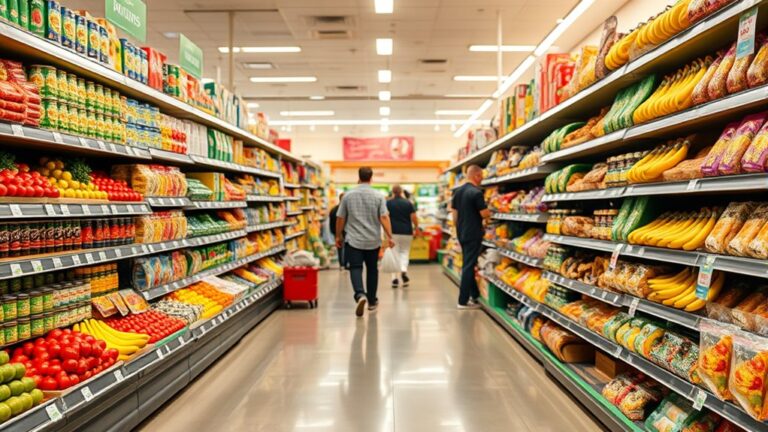
To stock shelves effectively, organize products logically and make sure everything is easy for customers to reach. Start by planning your shelf setup carefully, grouping similar items together so shoppers can find what they need quickly.
Always follow store guidelines for product placement. Put popular items at eye level and less frequently bought products higher or lower on the shelves. This helps with visibility and sales.
Practice good product rotation by placing new stock behind older stock. This way, customers pick up the oldest items first, which reduces waste and keeps everything fresh.
Keep shelves tidy and well-stocked by checking regularly for gaps or disorganized products. Use labels or signs when needed to help guide customers and improve their shopping experience.
Efficient shelf stocking makes the store look appealing and keeps inventory flowing smoothly. It also helps prevent out-of-stock problems, making shopping easier for everyone.
Staying organized and attentive to how items are arranged and rotated ensures a smooth shopping experience for all customers.
How Do Grocery Clerks Manage Inventory and Track Products?
So, when you’re managing inventory as a grocery clerk, it’s all about staying organized and using a good system to keep track of everything. You want to arrange products in a way that’s easy to find and update, making your job smoother.
It’s also important to follow specific restocking and reordering steps so you don’t end up with too much or too little of anything. Using product tracking systems can really help here — they let you keep an eye on stock levels and make sure popular items are always available for customers.
Inventory Organization Techniques
Grocery clerks use different inventory organization techniques to keep track of products easily. Proper shelf arrangement makes displays clean and accessible, helping customers find what they need quickly.
Stock rotation ensures older items are sold first, which reduces waste and keeps products fresh. Staying organized is easier with these strategies:
- Arrange products by category and size for quick access.
- Use a first-in, first-out (FIFO) system to manage stock rotation.
- Regularly check shelves for outdated or misplaced items and rearrange as needed.
Restocking and Reordering Procedures
Restocking and reordering products efficiently is key to keeping shelves full and customers happy. You plan your restocking schedule to make sure popular items are always available.
Effective restocking means keeping an eye on inventory levels and acting quickly when stock runs low. Reordering systems automate this by tracking sales and stock amounts, prompting you to order before things run out.
You also watch shelf life, expiration dates, and seasonal trends to fine-tune your restocking plans. Staying organized and proactive helps prevent stockouts and overstock situations.
Your goal is to ensure a steady flow of products so customers find everything they need without delays or shortages.
Product Tracking Systems
Managing inventory effectively relies on using product tracking systems that monitor stock levels and sales data in real time. These systems help you stay organized and ensure shelves are stocked with the right products. With technology integration, you can streamline inventory management and reduce errors.
Here are key ways you handle product tracking:
- Use barcode scanners and POS systems to update stock levels instantly after each sale.
- Analyze sales data to spot trends and adjust reordering schedules proactively.
- Keep accurate records of product expiration dates and stock movements to prevent waste.
What Safety and Cleanliness Standards Do Grocery Clerks Follow?
As a grocery clerk, you play a big role in keeping things safe and clean for everyone. That means you need to follow strict food handling rules to make sure the products stay safe to eat. It’s all about being careful with how you handle and store the items.
Plus, maintaining high standards of hygiene and sanitation is a must. Regularly cleaning surfaces, washing your hands, and keeping the store tidy helps prevent any contamination. These little habits make a big difference in creating a safe, clean shopping environment for all customers.
Food Handling Protocols
Grocery clerks must follow strict food handling protocols to guarantee safety and prevent contamination. You play a crucial role in maintaining food safety by adhering to proper procedures, especially regarding temperature control.
Proper temperature control prevents bacteria growth and spoilage, ensuring products stay fresh and safe for customers. To do this effectively, you should regularly monitor refrigeration units to keep perishable items at correct temperatures.
Use calibrated thermometers to check food temperatures during stocking and restocking. Follow guidelines for handling raw and cooked foods separately to avoid cross-contamination.
Hygiene and Sanitation Practices
Maintaining high standards of hygiene and sanitation is essential for grocery clerks to ensure a safe shopping environment. You follow strict hygiene practices to prevent contamination and keep customers safe.
This means regularly cleaning surfaces, shelves, and equipment. You also wash your hands often, especially after handling money or raw products, to cut down on germs. Wearing gloves when needed and using disinfectants helps keep everything clean.
Additionally, you keep an eye on expiration dates and quickly remove spoiled items. By sticking to these sanitation routines, you help stop the spread of bacteria and viruses.
Consistently maintaining high hygiene standards reassures customers and creates a safe, healthy shopping experience for everyone.
How Do Grocery Clerks Handle Checkout and Payment Processes?
When customers reach the checkout counter, grocery clerks quickly scan each item’s barcode to record its price, making the transaction smooth and fast. During checkout, you double-check the items and verify prices if needed.
Next, you handle different payment methods like cash, credit, or mobile payments. To keep the line moving, stay organized and attentive.
Here are three key steps you follow:
- Scan items quickly and accurately to avoid errors.
- Apply discounts or coupons if applicable.
- Collect payment and give change or receipts promptly.
Your goal is to make each transaction seamless and secure while answering any customer questions about payment options. Your efficiency in managing checkout procedures helps make grocery shopping hassle-free for everyone.
How Do Grocery Clerks Keep the Store Organized and Appealing?
After finishing checkout transactions quickly, it’s important to keep the store neat and inviting. You do this by maintaining an organized layout and using effective visual merchandising.
Arrange products logically, grouping similar items so customers can find what they need easily. Clear signs and attractive displays help highlight sale items or new products.
Here’s a visual of how to keep the store appealing:
| Store Layout | Visual Merchandising |
|---|---|
| Wide aisles for easy navigation | Eye-catching displays at entrance |
| Well-stocked shelves | Bright, colorful signage |
| Organized product sections | Themed end caps for promotions |
| Clear pathways | Seasonal decorations |
| Proper lighting | Highlighting featured products |
How Do Grocery Clerks Share Product Knowledge and Make Recommendations?
As a grocery clerk, it’s all about sharing product details in a way that’s easy for customers to understand. When you explain things clearly, it helps them make informed choices without feeling overwhelmed.
And don’t forget, suggesting complementary items can really enhance their shopping experience. For example, if someone’s picking out pasta, you might recommend a good sauce or some grated cheese. It’s these small tips that can make their meal planning smoother and more enjoyable.
Staying updated on the products you carry is super important too. When you know the latest info, you can answer questions confidently and give the best recommendations. It all comes down to being knowledgeable and approachable—that’s what makes a great grocery clerk!
Sharing Product Details Effectively
1. Highlight key features and benefits that align with customer needs, such as freshness or health advantages.
Make sure to emphasize what makes the product stand out, like its freshness or health benefits.
2. Tailor your recommendations based on customer preferences, whether they prioritize organic, budget-friendly, or specialty items.
Adjust your suggestions to match what the customer cares about most, like organic options or affordable choices.
3. Use simple, straightforward language to convey information quickly, ensuring customers understand the value of each product.
Keep your language clear and easy to understand so customers see the value right away.
Suggesting Complementary Items
Once you’ve shared the key details about a product, suggesting complementary items helps customers complete their purchase and makes their shopping experience better. You can recommend meal pairings that elevate the main ingredient, like suggesting pasta and sauce together or bread with cheese.
Offering seasonal suggestions can make your recommendations more relevant, such as highlighting fresh berries in summer or hearty soups in winter. Your knowledge about these pairings and seasonal options guides customers toward well-rounded choices, making their shopping easier and more satisfying.
Staying Informed on Products
Staying informed about products is key for grocery clerks to give helpful recommendations and assist customers effectively. Building strong product knowledge helps you answer questions confidently and guide customer choices.
To improve customer education, try regularly reviewing store updates, product labels, and promotional materials so you stay current. Engaging with suppliers and attending training sessions can also deepen your understanding of new or specialty items.
Share what you learn by explaining product benefits, suggesting alternatives, and highlighting features that meet customer needs. This way, you can help customers make informed decisions with confidence.
What Role Do Grocery Clerks Play in Store Promotions and Events?
Grocery clerks play an essential role in making sure store promotions and events run smoothly. Your involvement is key to executing strategies that attract customers and boost sales.
You help set up displays, making sure products are arranged appealingly and according to plan. During events, you assist with coordination by guiding customers, answering questions, and managing samples or demonstrations.
Your attention to detail guarantees signage is accurate and promotional offers are clear. By keeping displays organized and providing great customer service, you improve the overall shopping experience.
Your active participation not only promotes special deals but also encourages customer engagement. Working closely with managers on event planning helps create a lively, inviting atmosphere.
Ultimately, your role in store promotions and events directly impacts the store’s success and reputation.
What Challenges Do Grocery Clerks Face, and How Do They Overcome Them?
Handling the fast-paced environment of a grocery store can be tough, especially when unexpected issues pop up. Customer complaints can test your patience, so it’s important to respond quickly and politely to keep shoppers happy.
Staffing shortages often mean more work for everyone, pushing you to multitask and prioritize your tasks efficiently. It’s all about staying focused and organized, even when things get hectic.
To deal with these challenges, stay calm and empathetic when handling customer concerns. Turning negatives into positive experiences can make a real difference.
Work together with your coworkers and communicate openly to manage staffing gaps better. Supporting each other makes the workload easier to handle.
Finally, keep a flexible attitude. Adapt to surprises and stay organized under pressure to get through busy days smoothly.
Frequently Asked Questions
How Do Grocery Clerks Handle Difficult or Unruly Customers?
When you come across difficult or unruly customers, the first thing to do is stay calm and keep your cool. Good customer service is key, so listen carefully to what they’re saying.
Show empathy and try to understand their concerns. Use conflict resolution skills to help de-escalate the situation and prevent it from getting worse.
Be patient and polite, even if they’re upset. If necessary, set clear boundaries to protect yourself and others.
What Training Programs Are Available for Aspiring Grocery Clerks?
They say “knowledge is power,” and that’s true for aspiring grocery clerks. You can pursue grocery clerk certifications and customer service training to boost your skills.
Many stores offer on-the-job training, which is a great way to learn hands-on. Community colleges and online platforms also provide certifications in retail operations or customer service.
These programs help you learn product management, checkout procedures, and customer interaction, preparing you to excel and advance in your role.
How Do Grocery Clerks Prioritize Tasks During Busy Hours?
During busy hours, you focus on customer needs first, like helping shoppers or restocking shelves.
You use simple task management strategies to stay organized, quickly handling urgent chores while keeping the store tidy.
To manage peak times well, you stay alert, multitask efficiently, and talk with your team members.
This way, you keep things running smoothly and provide great service, even when it gets hectic.
What Technology Tools Do Grocery Clerks Use Daily?
You’re like a tech maestro, juggling tools to keep the store running smoothly. Daily, you use inventory management systems to track stock levels and guarantee shelves stay full.
Point of sale technology helps you quickly process transactions, manage returns, and update sales data. These tools work together seamlessly, making your job easier and the shopping experience better for customers.
Embracing this technology keeps everything in harmony behind the scenes.
How Do Grocery Clerks Contribute to Store Sustainability Efforts?
You contribute to store sustainability efforts by promoting sustainable practices and actively participating in waste reduction.
By properly handling products, minimizing spoilage, and encouraging customers to choose eco-friendly options, you help reduce environmental impact.
Sorting recyclable materials correctly and managing stock efficiently also play key roles.
Your daily actions support the store’s commitment to sustainability, making a positive difference for the environment while ensuring a smooth shopping experience for customers.
Conclusion
Remember, a grocery clerk’s role is like the backbone of the store—supporting everything from friendly service to organized shelves. Your attention to detail, safety standards, and product knowledge guarantee customers leave happy and coming back.
Just as a well-tended garden blooms, your efforts keep the store vibrant and inviting. Welcome each challenge with a positive attitude, knowing that your dedication makes all the difference in creating a smooth shopping experience.
Being a grocery clerk means handling tasks like stocking shelves, checking inventory, and assisting customers. Your work ensures the store runs efficiently and customers find what they need easily.
Your friendly attitude and knowledge about products make shopping enjoyable for everyone. Remember, your role as a grocery clerk is vital in keeping the store organized, safe, and welcoming.