
5 Smart Ways to Save on Groceries
Struggling to keep your grocery bills in check? You’re not alone—many people find it tough to save money while shopping for essentials.
The good news is, with a few smart strategies, you can cut costs without sacrificing quality.
To save on groceries, shop seasonally for fresher and cheaper produce, and plan your meals to avoid impulse buys. Making a detailed grocery list focused on essentials and seasonal items helps you stay on track.
Use store loyalty programs and clip coupons for extra discounts. Buying in bulk and choosing store brands can also cut costs.
Plus, using leftovers creatively and portioning meals helps prevent waste.
Keep exploring to uncover more smart shopping tips.
Key Takeaways
- Shop seasonally to get fresh produce at lower prices and plan trips around peak harvest times. This way, you save money and enjoy better quality fruits and veggies.
- Create a detailed grocery list based on your meal plans to avoid impulse purchases. Sticking to your list helps you stick to your budget.
- Use store loyalty programs and coupons to access exclusive discounts and targeted deals. It’s an easy way to save without much effort.
- Buy in bulk and choose store brands to reduce costs on pantry staples and everyday items. These options are often more affordable and just as good.
- Plan your meals and get creative with leftovers to minimize waste. Using leftovers wisely helps you get the most out of your ingredients.
Struggling to Keep Grocery Costs Down? Here’s How to Save Money
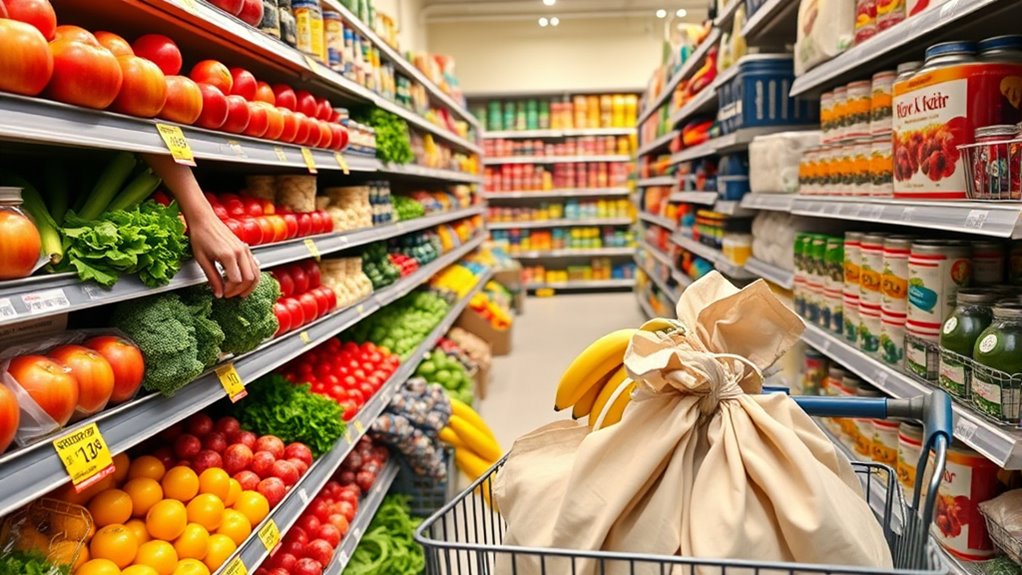
Are rising grocery prices making it hard to stick to your budget? One way to fight back is by shopping seasonally. When you buy fruits, veggies, and other products in season, you usually get better quality at lower prices. It’s a simple way to save without sacrificing freshness.
Using budget apps can also help. They track your spending and show you where to cut costs. These apps let you set spending limits and keep an eye on your progress in real time, making it easier to stay on track.
Combining seasonal shopping with the discipline of budget apps helps you spot deals and avoid impulse buys. Planning your trips around what’s in season and following your app’s guidance helps you avoid overspending.
Over time, these small changes add up, making grocery shopping more affordable and less stressful. Staying mindful of seasonal options and using technology are smart steps to keep your grocery costs in check.
Create a Grocery List That Helps You Cut Costs
Creating a well-thought-out grocery list is one of the easiest ways to cut costs and avoid impulse buys. Planning ahead helps you focus on what’s necessary and take advantage of seasonal produce, which is fresher and usually cheaper.
Start with pantry staples like rice, pasta, and canned goods. These basics create a solid foundation for meals without extra spending. Instead of wandering aisles aimlessly, list specific items based on your meal plan.
Here’s a simple chart to help you visualize your essentials:
| Pantry Staples | Seasonal Produce | Extra Items |
|---|---|---|
| Rice | Apples | Snack bars |
| Pasta | Leafy greens | Frozen veggies |
| Canned beans | Root vegetables | Spices and condiments |
| Breakfast cereal | Citrus fruits | Baking supplies |
Save More With Store Loyalty Programs and Coupons
Taking advantage of store loyalty programs and coupons can significantly lower your grocery bills. Loyalty perks often include exclusive discounts, personalized offers, and points that can add up to future savings.
Sign up for these programs at your favorite stores, and you’ll get targeted deals tailored to your shopping habits. Don’t forget about coupon stacking—using store coupons along with manufacturer coupons to get the most discounts on one item.
Join store programs and stack coupons to maximize savings on your favorite items.
Many stores now allow this, so take advantage whenever you can. Check digital apps and newspapers regularly for new coupons, and load digital offers directly onto your store loyalty account for easy savings.
Combining loyalty benefits with coupons helps your money go further, especially on items you buy often. Just plan your shopping trips around these deals, and always read the fine print to make sure you’re getting the best savings.
This smart approach helps stretch your grocery budget without sacrificing quality.
Buy in Bulk and Choose Store Brands for Better Value
Buying in bulk and opting for store brands are smart ways to get more value for your money. Bulk buying lets you purchase larger quantities at a lower per-unit cost, saving you money over time.
Store brands often offer the same quality as national brands but at a fraction of the price, helping you cut grocery bills without sacrificing quality.
When you buy in bulk, focus on non-perishable items like rice, pasta, or canned goods to maximize savings. Always compare prices per unit to make sure you’re really getting a good deal.
Choosing store brands for staples like dairy, snacks, and cleaning supplies can significantly lower your expenses.
Be mindful of packaging size and storage space to avoid waste or spoilage. Incorporate these strategies into your shopping routine, and you’ll see your grocery budget stretch further without sacrificing what you need.
- Buy in bulk for pantry staples like rice and beans.
- Opt for store brands for everyday essentials.
- Always compare unit prices to find the best deals.
Meal Planning and Leftovers: Easy Ways to Reduce Waste and Save
Meal planning can really help cut down on waste and save you money by making sure you buy only what you’ll use. Taking some time to prep meals means ingredients are used efficiently, so leftovers don’t go bad.
Practice portion control when serving to avoid extra food that’s hard to store or reheat. Proper storage is key—use airtight containers to keep leftovers fresh and prevent spoilage.
Get creative with leftovers by turning roasted vegetables into soups or salads to make the most of every ingredient. Using a recipe rotation helps you use ingredients across multiple meals, which cuts down on shopping and simplifies your grocery list.
This approach not only reduces waste but also makes meal times easier and more varied. With some thoughtful planning, you’ll waste less, save money, and enjoy more delicious meals.
Frequently Asked Questions
How Do I Compare Prices Across Different Stores Effectively?
You can compare prices effectively by using store apps to access current deals and prices. Doing a thorough competitor analysis by listing similar items across stores can help you spot the best options.
Look for unit prices instead of just the sticker price to really find the best deal. Buying in bulk for non-perishables can save you more in the long run.
Make it a habit to regularly check for sales and discounts. Using online price comparison tools can also help ensure you’re always getting the best value.
What Are Some Hidden Costs to Watch Out for When Shopping?
Beware of hidden costs lurking like shadows in the grocery store. When you bulk buy, you might waste money if items expire before you get around to using them.
Price tracking can help you spot deals, but it might also tempt you into unnecessary purchases. Extra fees like delivery charges, impulse buys, or loyalty card costs can really add up.
Stay vigilant, compare prices carefully, and keep an eye on your receipts to avoid these sneaky expenses.
How Can I Avoid Impulse Buying at the Grocery Store?
To avoid impulse buying, stick to your shopping list and your budget plan. It helps you stay on track and avoid unnecessary splurges.
Familiarize yourself with the store layout so you can steer clear of tempting displays. Being aware of marketing tricks and psychological triggers also helps you stay focused.
Practice meal prepping to cut down on last-minute purchases. It saves you time and keeps your shopping intentional.
Use discount apps and loyalty programs to save money without going overboard. Staying focused on your goals makes it easier to resist those impulse buys.
Are There Specific Days When Grocery Discounts Are Usually Offered?
Did you know that most grocery stores run weekly sales cycles? The best times for discounts often fall on specific days.
Typically, store promotions and clearance events happen mid-week or on weekends. These are usually the best times to shop for deals.
Check weekly ads regularly for discount days and plan your shopping around these key moments. This way, you can maximize your savings and snag the best deals on groceries.
How Can I Incorporate Seasonal Produce Into My Savings Strategy?
You can save by incorporating seasonal produce into your shopping routine. Visit local farmers’ markets to find fresh, affordable seasonal ingredients.
Use these in seasonal recipes, which often require less cost and effort. Plan meals around what’s in season, and buy in bulk when possible.
This not only helps you save money but also supports local farmers and guarantees you enjoy the freshest produce, making your meals delicious and budget-friendly.
Conclusion
By applying these smart shopping strategies, you’ll keep more cash in your pocket and make the most of your grocery trips.
Creating a solid plan, taking advantage of store deals, and buying smartly guarantees you’re not throwing money out the window.
Remember, a penny saved is a penny earned, so don’t let good deals slip through your fingers.
Stick to these tips, and your grocery bill will thank you in the long run. Saving money on groceries is easier when you shop smartly.