7 Reasons Grocery Prices Are Going Up in 2026
Are rising grocery prices making it harder for you to stick to your budget? You’re not alone—many people are feeling the pinch as costs climb higher than ever before. If you’re wondering what’s behind these increases in 2026, you’re in the right place.
Grocery prices in 2026 are rising due to changing consumer preferences for organic, local, and specialty foods, which often cost more.
Supply chain issues, such as delays and labor shortages, also push prices higher.
Inflation and rising production costs, driven by increased energy, fertilizer, and climate change impacts, add to expenses.
Shifts in demand and shopping trends influence prices further.
Keep exploring to uncover how you can better manage these rising costs and stay informed.
Key Takeaways
- Supply chain disruptions and transportation delays are driving up costs for both fresh and packaged foods.
- Climate change damage, higher energy prices, and increased input costs are pushing production expenses higher, which in turn raises food prices.
- Inflation and rising interest rates are making groceries more expensive for consumers overall.
- As more people want organic, specialty, and convenience foods, the prices for these products tend to go up.
- Labor shortages in agriculture and retail mean higher wages and operational costs, which can lead to increased prices.
Why Are Grocery Prices Going Up in 2026?
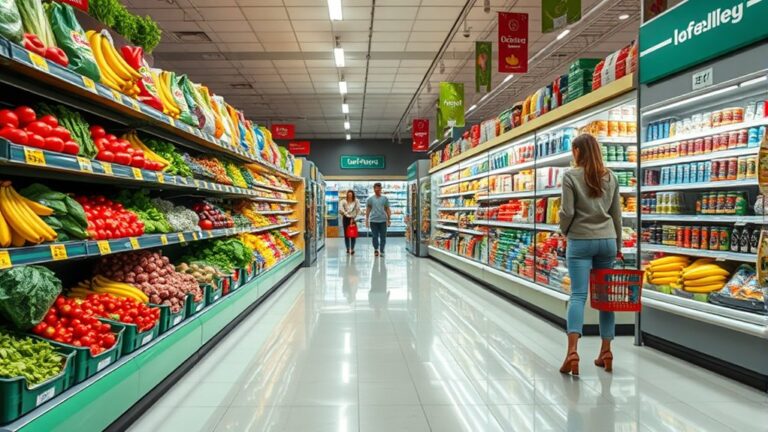
Despite efforts to keep prices stable, grocery costs are rising in 2026 due to a mix of factors. One major reason is how grocery trends are changing what people buy.
Grocery prices are rising in 2026 as changing consumer preferences impact supply and demand.
As consumers lean toward healthier, organic, and locally sourced foods, suppliers face higher production costs, which are passed down to shoppers. Plus, there’s more demand for specialty items and plant-based products, which push prices up.
People also want convenience foods and ready-to-eat meals, often more expensive than traditional ingredients. This means stores need to stock a wider variety of products, which can cost more.
At the same time, brands are investing in sustainable packaging and better quality, adding to expenses. All these changes show how your shopping habits are shaping grocery prices in 2026.
What’s Causing Supply Chain Issues and Rising Food Costs?
You might have noticed that getting food to stores has become a bit more complicated lately. Delays in transportation and not enough workers are making it harder to keep everything stocked.
These kinds of disruptions slow down the whole process, which means food takes longer to get where it needs to go, and that can cause prices to go up. So, when you see grocery bills rising in 2026, it’s often because of these supply chain issues and rising costs along the way.
Disruptions in Transportation
Transportation disruptions are a major factor behind supply chain issues and rising food costs in 2026. Ongoing problems in logistics cause frequent delivery delays, making it harder for grocery stores to keep shelves stocked.
These delays often come from clogged ports, driver shortages, and infrastructure problems. As a result, fresh produce and perishable goods often arrive late or spoil, which pushes prices higher.
Here’s a quick overview:
| Cause | Impact | Solution |
|---|---|---|
| Port congestion | Delivery delays | Improve port infrastructure |
| Driver shortages | Slower deliveries | Offer incentives for drivers |
| Infrastructure issues | Longer transit times | Invest in road maintenance |
| Fuel price hikes | Higher transportation costs | Use alternative fuels |
| Regulatory delays | Supply chain bottlenecks | Streamline policies |
These disruptions keep grocery prices climbing and affect your shopping every week.
Labor Shortages Impacting Production
Labor shortages are now adding another layer of difficulty to an already strained supply chain, further driving up food costs. The tight labor market makes it hard for producers to find and retain workers, forcing employers to offer wage increases to attract talent. Despite these efforts, employment competition remains fierce, and many businesses struggle with workforce retention.
Companies are increasingly turning to automation trends to fill gaps and improve efficiency, but implementing new training programs takes time and resources. As a result, production slows and supply chain disruptions worsen. These staffing challenges directly impact grocery prices, making it more expensive to get food from farm to shelf.
Without enough workers, the cost of production rises, contributing greatly to the overall increase in grocery prices in 2026.
How Are Inflation and Economic Policies Making Groceries More Expensive?
You might start to see grocery prices climbing even more in 2026, thanks to inflation that’s pushing up costs everywhere. When inflation rises, everything from produce to packaged goods gets more expensive, and it can really add up.
On top of that, monetary policies—like changes in interest rates—play a big role. When interest rates go up, borrowing money becomes more expensive, and that can lead to higher prices on groceries as businesses pass on those costs.
And don’t forget about supply chain issues. Ongoing disruptions mean that some groceries are harder to find and more costly to get to stores, which only drives prices higher. All these factors combined make it tougher for your wallet to keep pace with rising grocery bills.
Rising Inflation Rates
As inflation rates go up, the cost of groceries keeps rising, making everyday essentials more expensive for everyone. Recent trends show these increases are sticking around, mainly because of supply chain problems and higher production costs. Experts predict this will continue into 2026, putting more pressure on household budgets.
The table below shows how inflation can affect you emotionally:
| Impact | How It Feels | Why It Matters |
|---|---|---|
| Rising prices | Frustration and worry | Makes it harder to afford basics |
| Uncertainty | Anxiety about future costs | Unpredictable prices can disrupt plans |
| Financial stress | Overwhelm and loss of security | Challenges in maintaining your lifestyle |
Knowing how inflation works can help you prepare for these ongoing increases and better navigate the changing grocery landscape.
Impact of Monetary Policies
Monetary policies play a big role in driving up grocery prices, especially when central banks decide to raise interest rates or flood the market with money. These moves can cause monetary inflation, making goods more expensive over time.
When interest rates go up, borrowing costs for businesses increase, which often leads to higher prices for consumers. On the other hand, when central banks inject more money into the economy, it creates extra liquidity that can fuel inflation.
Here are four ways monetary policies impact grocery prices:
- Higher interest rates increase costs for suppliers and retailers.
- Increased monetary inflation reduces the purchasing power of money.
- Central bank policies influence wage growth, affecting production costs.
- Excess liquidity boosts demand, pushing prices upward.
Supply Chain Disruptions
Delays in transportation, labor shortages, and raw material shortages hinder inventory management, causing shortages of essential items. As stores scale back orders or face higher shipping costs, prices naturally rise.
You’ll notice fewer product choices and increased costs on shelves. Companies try to adapt by improving inventory management, but ongoing disruptions often mean they pass these costs to consumers.
These persistent issues contribute to rising prices at checkout, making it more expensive to buy the groceries you need, especially during times of economic instability.
Why Are Food Production Costs Increasing for Farmers and Suppliers?
Rising costs for food production are putting increasing pressure on farmers and suppliers. These higher expenses come from several factors that make growing and processing food more costly.
- Rising input costs: Seeds, fertilizers, and equipment prices are climbing, which raises overall expenses.
- Energy costs: Fuel and electricity prices are higher, increasing costs for tractors, irrigation, and processing facilities.
- Weather variability: Unpredictable weather damages crops and means farmers need to spend more on pest control, raising costs.
- Technology adoption and subsidies: While new tech can boost efficiency, getting started often requires a big investment. Plus, fewer agricultural subsidies mean less financial support for farmers.
All these factors add up, making food production more expensive and eventually leading to higher grocery prices for consumers like you.
How Is Climate Change Affecting Food Prices and Availability?
Climate change is increasingly disrupting food production by causing more frequent and severe weather events like droughts, floods, and storms. These disruptions threaten crop yields and reduce the availability of fresh produce, which drives prices higher.
Farmers are now forced to adapt through sustainable agriculture practices that improve soil health and water efficiency, helping crops withstand extreme conditions. Building climate resilience becomes crucial as weather patterns grow unpredictable, ensuring food systems can recover faster from disasters.
When climate resilience is prioritized, farmers can better manage risks, reducing supply shortages. However, shifting to sustainable practices often requires upfront investments, which can increase costs and lead to higher prices for consumers.
As climate change continues to impact food production, these measures are essential to stabilize supply and maintain food access. Without adaptation, food shortages and price hikes are likely to persist, affecting grocery prices nationwide.
How Do Shopping Trends and Consumer Demand Impact Grocery Prices?
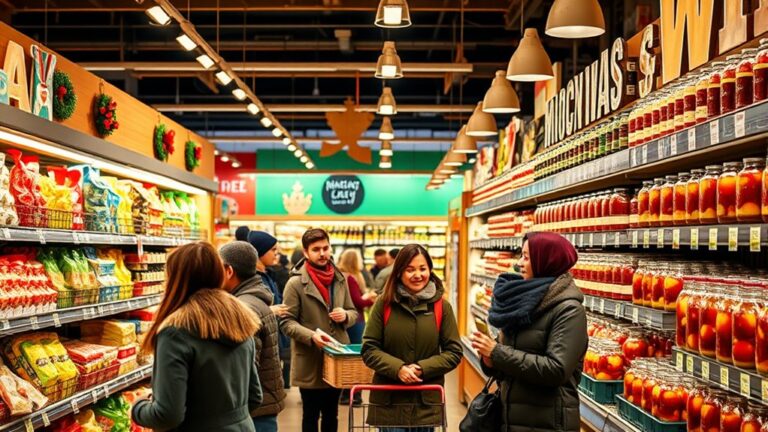
Shopping trends and consumer demand play a big role in shaping grocery prices because they influence what products become popular and how much people buy. When people start preferring certain foods or brands, stores respond by stocking more of those items, which can drive prices up.
Your shopping habits, like buying in bulk or choosing organic products, also impact prices since higher demand for these items pushes costs higher.
Here are four ways this influence shows up:
- Increased demand for specialty or organic products raises their prices.
- When convenience foods become popular, stores focus on stocking more of those, affecting overall prices.
- Shifts toward plant-based diets can change prices for certain food groups.
- Bulk buying trends can lead to higher costs for larger packages and affect the supply chain.
Your choices directly impact grocery prices, making your preferences and shopping habits powerful tools in shaping food costs.
Tips to Manage Higher Grocery Bills in 2026
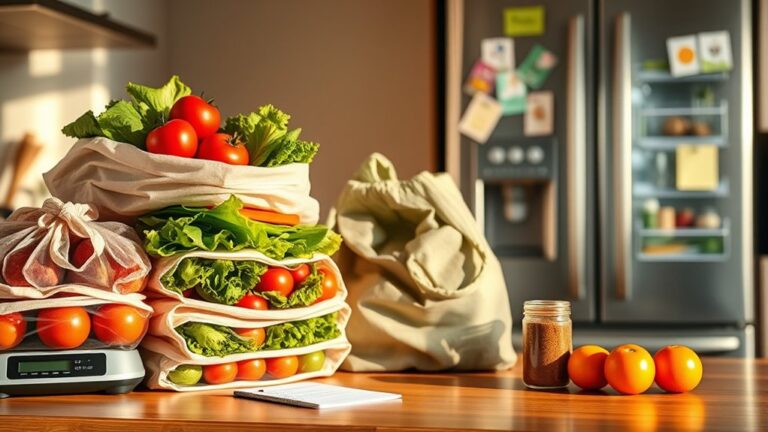
Managing higher grocery bills in 2026 requires a proactive approach, as prices keep rising due to changing demand and supply factors. To save money, plan budget-friendly recipes that stretch your dollar further.
Look for simple, nutritious meals that use affordable ingredients and avoid unnecessary extras. Bulk buying is also a smart move; buying staples like rice, pasta, or canned goods in larger quantities can significantly cut costs over time.
Consider shopping at warehouse stores or local markets for better deals. Keep an eye out for sales and discounts on items you regularly use. Meal prepping can help reduce waste and prevent impulse buys.
Frequently Asked Questions
How Do Currency Fluctuations Influence Grocery Prices in 2026?
Currency fluctuations in 2026 directly impact grocery prices through exchange rates and currency devaluation. When your local currency weakens, import costs go up because it takes more money to buy the same goods from abroad.
This inflation effect makes imported products more expensive, which then pushes up overall grocery prices. So, if you’re noticing prices climbing, it’s often linked to these currency shifts affecting the cost of imported goods.
Are New Agricultural Technologies Affecting Food Costs This Year?
Yes, new agricultural technologies like precision farming and sustainable practices are impacting food costs this year. You might think these innovations only cut costs, but they also require a big investment upfront.
While they aim to boost efficiency and reduce environmental impact, the transition costs can cause prices at the grocery store to go up initially. Over time, though, these technologies could help stabilize or even lower food prices.
What Role Do Government Subsidies Play in Grocery Pricing?
Government subsidies really influence grocery prices by shaping market trends. When subsidies support certain crops or industries, they can cut down production costs, making goods cheaper.
On the other hand, if subsidies are reduced, prices might go up. As a shopper, you might see these changes as fluctuations in grocery costs.
Understanding how government policies affect prices helps you see why costs change, especially as market conditions evolve in 2026.
How Do Global Trade Relations Impact Food Availability and Prices?
Global trade relations directly influence food availability and prices through trade agreements and supply chains. When trade agreements face disruptions or tensions, it can cause delays or shortages, which can raise prices.
You’ll notice that if supply chains are interrupted due to tariffs or geopolitical issues, grocery stores have less access to imported goods. This often pushes prices up.
Stable trade relations help ensure a steady flow of food, making prices more affordable for you.
Are There Regional Differences in Grocery Price Increases in 2026?
Coincidentally, regional disparities greatly influence grocery price increases in 2026. You’ll notice some areas face steeper rises because of local supply chain issues, higher labor costs, and climate impacts.
Other regions experience relatively stable prices. When you do cost comparisons, these differences become clear, showing how local economic conditions and infrastructure shape the overall grocery bill.
Recognizing these disparities helps you better understand why prices vary across different regions.
Conclusion
As the grocery landscape shifts like a turbulent sea, understanding these rising costs helps you navigate the storm.
While prices may feel like climbing mountains, staying informed and adaptable is your anchor.
Think of your grocery budget as a garden—you’ll need to tend it carefully, watering it with smart choices and patience.
By staying proactive, you’ll weather the economic weather and keep your pantry stocked through any seasonal storm.
Remember, the main reason for these changes is the rising grocery prices in 2026, so keeping this in mind can help you plan better.