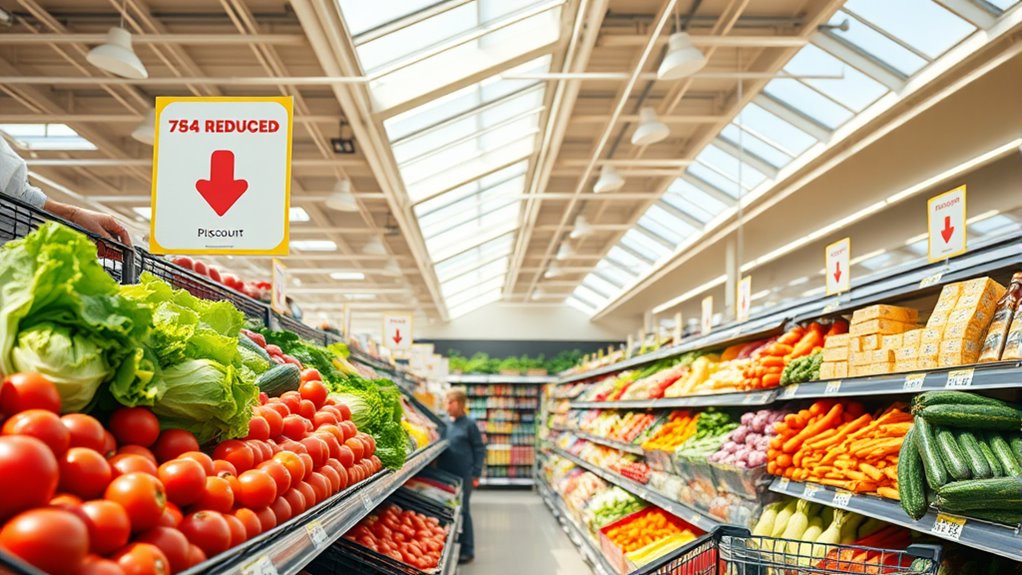
5 Signs Grocery Prices Are Going Down
Feeling frustrated trying to keep grocery costs down? You’re not alone. Many people struggle with rising prices, especially when shopping for essentials.
The good news is, there are signs that grocery prices are going down, and knowing them can help you save more.
You’ll notice grocery prices drop when stores promote seasonal sales around holidays or change seasons, especially on staples and fresh produce.
Using price apps can help you spot trending discounts and get alerts on price drops.
High stock levels and inventory clearances often lead to lower prices, so keep an eye out for stocked shelves.
Comparing prices across stores guarantees you get the best deal, especially with bulk and per-unit discounts.
To uncover more tips, keep going for a complete guide.
Key Takeaways
- Store flyers and online ads often highlight discounts on staple items and seasonal products.
- Price apps can show you declining prices and send alerts for deals.
- When stores have more stock and sell through inventory faster, prices tend to go down.
- Checking price matching policies and comparing unit prices across stores can reveal discounts.
- Keep an eye out for bulk discounts and post-season sales, which usually mean prices are staying lower.
How to Spot Sale Events and Promotions Indicating Lower Grocery Prices
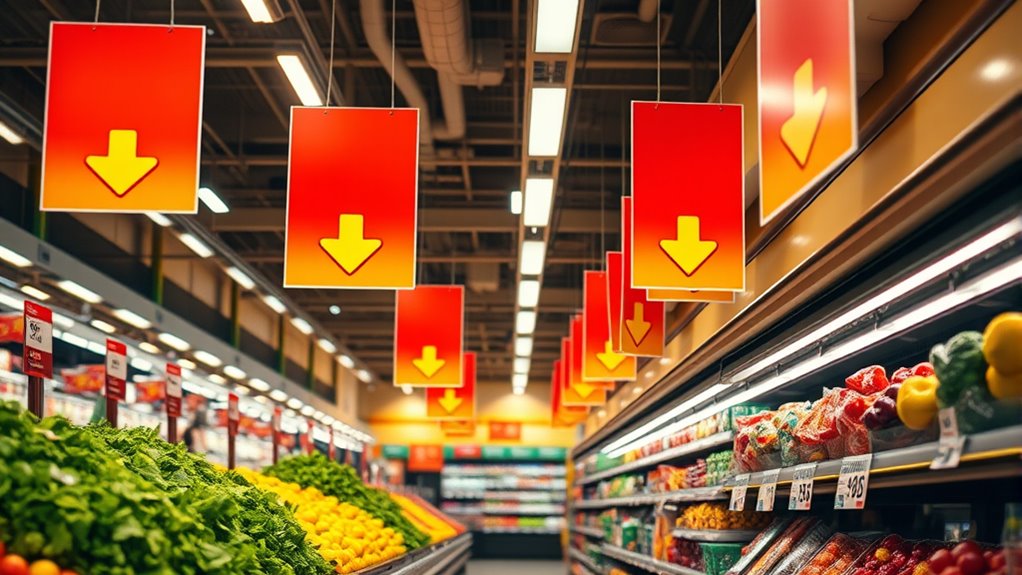
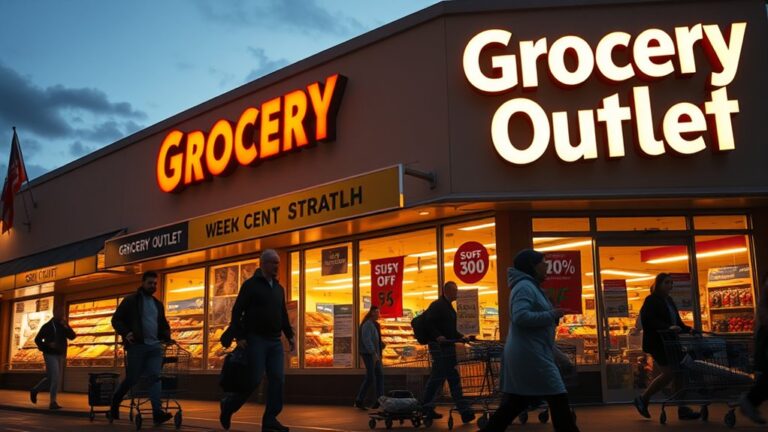
To take advantage of lower grocery prices, you need to know how to identify sale events and promotions early on. Start by paying attention to seasonal sales, which happen around holidays or changing seasons. These sales often feature discounts on staple items and fresh produce.
Keep an eye on store flyers, newsletters, or websites for announcements about upcoming deals. Local promotions are another great way to find savings; stores often advertise special discounts in community centers or through local newspapers.
Visiting your favorite grocery store regularly helps you notice patterns in discounts and sales timing. Moreover, signing up for store loyalty programs can alert you to exclusive promotions and early sales notifications.
Using Price Apps to Track Grocery Price Trends
Using price apps can be a game-changer for tracking grocery price trends. These apps make it easy to see real-time updates on product prices across different stores.
With just a few taps, you can compare prices, check historical data, and spot patterns that signal price drops.
Easily compare prices, view past trends, and identify when discounts are likely to occur.
The benefits include saving money by quickly finding the best deals and avoiding overpaying during regular shopping trips.
Many apps let you set alerts for specific items, so you’ll be notified when prices fall. This way, you can buy at the lowest point.
They also help you monitor price changes over time, giving you insight into when prices tend to dip.
This proactive approach helps you plan your shopping trips more strategically.
How Stock Levels and Availability Signal Price Drops
When stock levels for certain grocery items go up or availability becomes more widespread, prices often start to drop. This happens because high stock fluctuations signal producers and retailers that supply exceeds demand, prompting them to lower prices.
Fast inventory turnover also plays a part. When items sell quickly, stores restock more often, which increases stock levels and can lead to discounts.
For example, fresh produce like berries usually see price drops when harvests are plentiful and supply beats demand. Packaged goods like cereals tend to get cheaper during big restocking periods.
Seasonal items, such as holiday decorations or summer snacks, often decline in price once the season ends and inventory piles up.
Monitoring these signals can help you spot when grocery prices are likely to fall. As stock fluctuations settle and inventory turns faster, prices tend to follow, making your shopping more budget-friendly.
Comparing Prices Across Stores to Find the Best Deals
Ever wondered how you can stretch your grocery budget further? Comparing prices across stores is a smart way to save. Start by checking weekly ads and online flyers to spot deals.
Use store loyalty programs to access discounts or earn points that you can redeem later. Don’t forget about price matching policies. Many stores will match lower prices from competitors if you show proof.
This way, you can buy everything at the lowest available price without running around. Take a moment to compare unit prices on labels to guarantee you’re getting the best deal per ounce or pound.
Apps and price comparison websites can also make this easier. They help you see where discounts are most significant. By actively shopping around and using store loyalty and price matching, you’ll maximize savings and get more value from every dollar you spend.
Understanding Per-Unit and Bulk Pricing Reductions
Understanding how per-unit and bulk pricing reductions work can help you make smarter shopping choices. These discounts maximize your savings by focusing on the actual cost per item, not just the package price. Here’s how to utilize them:
Comparing unit prices helps you save money by choosing the most cost-effective options.
- Compare per unit savings: Always check the unit price on labels to see which option offers the best deal, especially when buying in smaller or larger quantities.
- Recognize bulk advantages: Buying in larger quantities often reduces the cost per item, making it ideal for non-perishables or items you use regularly.
- Be mindful of shelf life: While bulk discounts are great, make sure you can use or store the items before they expire to avoid waste.
Frequently Asked Questions
How Long Do Grocery Price Reductions Typically Last?
Grocery price reductions usually last a few weeks to a few months, depending on factors like supply and demand, inflation, and market trends. During this time, you might notice prices stay relatively stable, which can encourage more shopping or stocking up.
But keep in mind, prices can change quickly once market conditions shift. Staying informed helps you make smarter choices during these temporary deals.
Do Seasonal Changes Affect Grocery Prices Consistently?
Seasonal changes are like the tide, ebbing and flowing with a reliable rhythm. As seasonal produce arrives, prices often dip, giving you a chance to save.
But during holiday demand, prices tend to rise like a balloon filling with air. So yes, seasonal shifts do affect grocery prices consistently—bringing discounts when harvests are plentiful and higher costs during busy seasons.
Keep an eye on these cycles so you can shop smarter and save more.
Are There Specific Products More Likely to See Price Drops?
Yes, some product categories are more likely to see price drops during fluctuations.
For example, seasonal produce like fruits and vegetables often decrease in price after peak harvest times.
Dairy and meat products can also experience price changes due to supply and demand shifts. Keep an eye on sales and promotions within these categories, as they tend to have more frequent price reductions.
This can help you save money on your grocery bill.
How Do Supply Chain Disruptions Impact Grocery Pricing Trends?
Imagine a delicate balance, teetering with the weight of supply chain disruptions. When supply chains falter, grocery prices often rise, reflecting inflation’s impact and disrupting pricing accuracy.
You might notice higher costs, prompting shifts in consumer behavior—buying less or seeking deals. As supply chains stabilize, that balance restores, and prices can drop, easing inflation’s grip.
Your choices and market confidence directly influence this ongoing dance of supply and demand.
Can Loyalty Programs Influence the Perception of Lower Prices?
Loyalty programs can make you feel like you’re getting better deals by offering perks that make discounts seem more exclusive and valuable. This plays into your psychology, making you believe prices are lower even if they haven’t changed.
Conclusion
By paying attention to sale events, tracking prices with apps, and comparing store deals, you can spot when grocery prices are dropping. Did you know that over 60% of shoppers report savings by actively monitoring prices?
Staying informed helps you save money and shop smarter. Keep these signs in mind, and you’ll be well on your way to making the most of lower grocery costs.
Ultimately, noticing these signs can help you take advantage of grocery price drops and stretch your dollar further.