Find Dates in Your Grocery Store: 7 Easy Tips
Many people struggle with figuring out how to find dates in their grocery store, and you’re not alone. Keeping track of food freshness can be confusing and overwhelming.
To find dates in your grocery store, look on produce stickers, packaged tops, sides, or bottoms. Check canned goods on lids or sides, and beverage dates on bottles’ necks or bottoms.
Pay attention to labels like “sell by,” “use by,” and “best by.” These indicate quality, not safety, so don’t rely on them alone.
If a date isn’t clear, inspect for freshness clues like smell, texture, and appearance.
Utilize organization tips to keep track of items’ freshness and stay on top of expiration dates.
Keep exploring for more easy tips to manage food dates effectively.
Key Takeaways
- Check produce for stamped dates on skins or stickers, and look on package tops or sides for packaged goods.
- Find expiration or best-by dates on canned items, usually on lids, sides, or bottoms.
- Look at beverage bottles for dates on the neck or bottom. If you’re unsure, don’t hesitate to ask staff.
- Keep an eye on store signage or labels that highlight date info and compare with your own notes.
- Regularly scan shelves for upcoming expiration dates and organize items so you can see the date labels easily.
What Do Food Date Labels Mean?
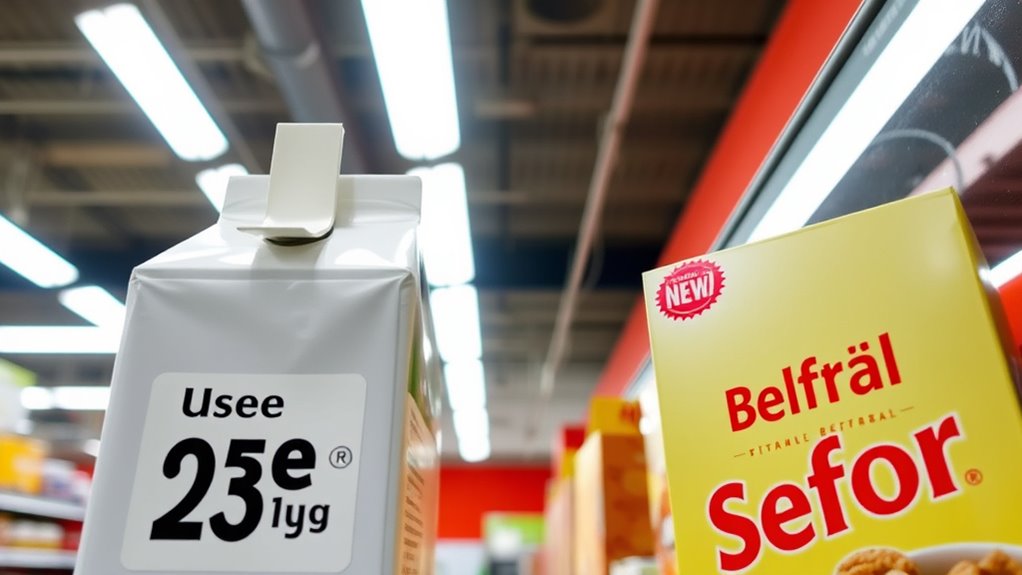
Food date labels can be confusing because they don’t always tell you when a product is unsafe to eat. Instead, they usually refer to quality or freshness, not safety. Understanding what these labels mean is important for keeping your food safe.
The labels you see—like “sell by,” “use by,” and “best by”—are regulated, but their meanings can vary. “Sell by” helps stores manage inventory, not safety. “Use by” and “best by” suggest when the food is at its best quality but don’t mean it’s unsafe after that date.
“Sell by” guides stores, while “use by” and “best by” indicate quality, not safety. Always check your senses.
These labels aren’t the same across all products or brands, and laws differ depending on where you live. Knowing this helps you decide whether to eat or discard an item. Being aware of these differences can help you waste less food and focus on safety, not just the date.
Always use your senses and good judgment in addition to understanding labels. This way, you can make the best decision about your food.
How to Read Expiration, Use-By, and Best By Dates?
Understanding food date labels can really help you figure out what’s safe to eat. You’ll see terms like expiration date, use-by, and best by — and they all mean different things. Knowing the difference can make your shopping smarter and help you avoid wasting food.
Understanding Date Labels
When you’re checking date labels on grocery items, it’s important to recognize that terms like “expiration date,” “use-by,” and “best by” each serve different purposes. This helps reduce date confusion and emphasizes the label’s importance.
An expiration date indicates when food may become unsafe to eat, especially for perishables like dairy and meat. A use-by date suggests the best time to consume a product for quality, not safety. A best by date highlights when the product will taste its best, but it’s often safe to eat afterward.
Understanding these distinctions guarantees you make smarter choices and avoid waste. Always read the label carefully, as misinterpreting these dates can lead to unnecessary disposal or eating spoiled food.
Clear knowledge of date labels keeps you safe and well-informed.
Differentiating Date Terms
Knowing how to read date terms on grocery packages can prevent confusion and help you make safer choices. Understanding these differences is key to managing shelf life.
Expiration dates show when a product is no longer safe to eat, while use-by dates suggest the best time for freshness or quality. Best by dates tell you when to enjoy the product for the best flavor or texture—they don’t mean it’s unsafe after that.
Recognizing these differences helps you avoid throwing away good food too early or eating something unsafe. Keep in mind, date labels aren’t always consistent, so trust your senses along with the dates.
Having a clear understanding of these terms helps you plan better, cut down on waste, and shop with confidence.
Where to Find Date Labels on Produce and Packaged Goods?
Date labels on produce and packaged goods are usually placed in spots that are easy to spot. On produce, you’ll often find the date stamped directly on the skin or on a sticker, usually near the stem or on the side.
For packaged items, check the top or the side of the package, often close to the barcode or label. These labels help you judge freshness and decide when to eat.
On fresh produce, look for printed or stickered dates on the surface. For packaged goods, scan the top or side for clear, printed dates.
Some items might have coded dates that need decoding, especially with packaged produce.
How to Spot Freshness Indicators on Fruits and Vegetables?
Look closely at fruits and vegetables to judge their freshness. Things like bright colors, firm textures, and smooth, unblemished skin are good signs. Stay away from produce with dark spots, wrinkles, or mold, which show they might be overripe or spoiled.
Seasonal produce often looks its best, so pick items that look bright and lively—they’re probably at their peak flavor and quality. Gently squeeze fruits to check for firmness; overly soft or mushy ones are past their prime.
For leafy greens and herbs, look for crisp, bright leaves without wilting or yellowing. Check cut surfaces for dryness or browning, which can mean they’re aging. Remember, freshness cues change with the seasons, so knowing what fresh, seasonal produce looks like helps you choose the best.
Locating Date Codes on Beverages and Canned Goods?
Have you ever wondered where to find the date codes on beverages and canned goods? Usually, these codes are part of the label or stamped directly on the can or bottle.
For beverages, check the neck or bottom of bottles, and the side or cap of cans. Canned goods often have date codes printed on the lid, side, or bottom of the can.
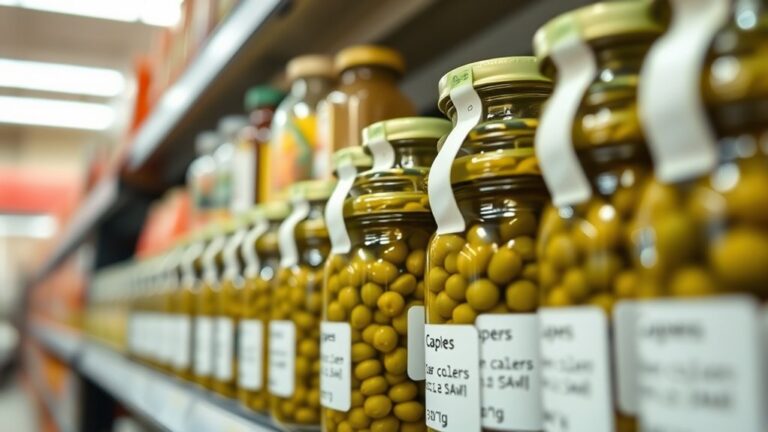
Look for stamped or printed dates on the packaging, often in small, clear font. You might also see manufacturing or expiration codes that are a series of letters and numbers.
Check for small, clear stamped or printed dates, including manufacturing or expiration codes on packaging.
Sometimes, labels include “Best By,” “Use By,” or “Sell By” dates, usually on the front or back of the product.
What to Do When You Can’t Find a Clear Date?
If you can’t spot a clear date on your product, don’t worry. Take a look at other labels—you might find the info you’re after there. Sometimes, the expiration date or best-by date isn’t front and center, but other labels could have what you need.
If you’re still unsure, just ask a store employee. They usually know exactly where to find those details and can help you out quickly. Also, keep in mind that packaging or production dates can give you a good idea of how fresh the item is, even if there’s no clear expiration date visible.
Check Alternative Labels
When clear expiration or best-by dates are missing, checking alternative labels can give you helpful clues about a product’s freshness. Many products use different labels because of alternative labeling practices, which can sometimes be confusing.
To navigate this, look beyond the date and examine other indicators like the use-by or pack date. This tells you when the item was packaged and can help you estimate how fresh it is.
Also, check the storage instructions. Improper storage can speed up spoilage, no matter what the date says.
Finally, look for quality indicators like color, texture, or smell. If they seem off, the product might be past its prime.
Contact Store Staff
Sometimes, even after checking labels and looking at visual cues, you might still struggle to tell how fresh a product is because the date isn’t clear. When that happens, it’s best to reach out to store staff.
They’re trained to understand store policies and can often access more detailed info about product dates or inventory. Just approach an employee politely and ask if they can clarify the freshness or expiration date.
Training varies by store, but most staff are knowledgeable about product placement and labeling. If you’re unsure how to ask, simply say you’re trying to confirm the product’s freshness.
Most store employees will appreciate your effort and help you find the info you need to make a confident choice.
Rely on Packaging Dates
When product labels don’t show clear expiration or freshness dates, you can rely on packaging dates instead. These dates can give you a good idea of how long the product has been stored and whether it’s still fresh.
Packaging freshness often tells you how long a product has been sitting on the shelf. Some brands print manufacturing or pack dates, which are often more reliable than expiration dates for judging freshness.
Look for the date stamped directly on the container, and pay attention to the format—whether it’s Julian or a standard calendar date. Also, check for any clues about how long the product stays fresh after opening.
Tips to Track Food Dates and Reduce Waste?
Keeping track of food dates is key to reducing waste and saving money. Start by organizing your food storage, placing newer items behind older ones so you use them first. Check packaging dates regularly to stay aware of freshness, and make notes if needed.
Incorporate food dates into your meal planning by preparing meals around ingredients nearing their expiration. This helps prevent spoilage and makes sure you use items while they’re still good.
Consider using a calendar or app to track when foods should be eaten. Label leftovers with dates so you know when they were stored.
Frequently Asked Questions
Are Date Labels Required by Law on All Grocery Items?
Date labels aren’t required by law on all grocery items, but regulations do mandate them on certain products like dairy and perishable foods. You should check the date label regulations in your state because some exceptions exist for specific types of grocery items.
For example, fresh produce or bakery items might not have date labels. Always read the labels carefully to guarantee freshness.
How Accurate Are Date Labels in Indicating Food Safety?
Date labels can be helpful but aren’t always perfectly accurate for food safety. They mainly tell you about the product’s shelf life, not whether it’s actually safe to eat.
You should use your senses—smell, look, taste—since food can spoil before or after the date. Relying only on labels might cause you to waste food or eat something unsafe.
People’s perceptions vary, so trust your judgment and follow safety standards to make sure your food is safe to eat.
Can I Trust Date Labels on Imported or Store-Brand Products?
You can generally trust date labels on imported products and store brands, but it’s a good idea to use your senses too. Imported items usually follow strict rules, so their labels tend to be reliable.
Store brands can vary in accuracy, so it’s smart to check them carefully. Trust the date labels as helpful guides, but don’t rely on them alone.
Look for signs of spoilage like off smells or strange textures. Your intuition and a careful inspection are your best tools to stay safe.
Do Date Labels Change With Storage Conditions?
Yes, date labels can change based on storage conditions, especially storage temperature, which affects shelf life. If you keep products at the proper temperature, they may stay safe longer.
But if they’re stored improperly, the dates might not reflect their true freshness. Always consider how you’ve stored items, and use your senses to check for spoilage.
Improper storage can shorten or sometimes extend the effective shelf life.
How Do I Interpret “Sell By” Versus “Use By” Dates?
You interpret “sell by” and “use by” dates by understanding what they mean.
“Sell by” tells you how long the store should keep the product on display for sale. It indicates freshness but isn’t a safety deadline.
“Use by” shows the date by which the food should be consumed for safety reasons. It’s a cue to eat the product before that date.
You use “sell by” as a shopping guide to check freshness, while “use by” helps you decide when to eat the item to stay safe.
Conclusion
Now that you can read those date labels like a pro, picture yourself walking through the grocery store with confidence. Your cart is filled with fresh, safe foods, and every label acts as a helpful guide.
It’s like a lighthouse guiding you safely home. Mastering these tips helps you reduce waste, safeguard your health, and save money.
Next time you shop, enjoy the satisfaction of making smart, mindful choices. Focus on date labels to ensure your grocery shopping is both healthy and eco-friendly.