5 Essential Tips for Successful Grocery Shopping
Many people struggle with grocery shopping, feeling overwhelmed by endless choices and tempting deals. You’re not alone in wanting to save time and money while getting the best products. With a little planning, shopping can become easier and more satisfying.
To shop successfully, plan your grocery list to stay focused and avoid impulse buys. Familiarize yourself with store layouts to move efficiently and save time. Compare prices across stores and look for deals to get the best value.
Always choose fresh, high-quality products by inspecting them carefully. Stay clear of common mistakes like overbuying or straying from your list.
Keep these tips in mind and uncover even more strategies for smarter shopping as you continue.
Key Takeaways
- Plan your grocery list based on meal needs and check what staples you already have so you don’t buy unnecessary items.
- Get to know the store layout so you can shop quickly and avoid backtracking.
- Compare prices and find deals using store apps, coupons, and by checking unit costs.
- Pick fresh, high-quality produce and proteins by looking at their appearance, smelling them, and considering what’s in season.
- Stick to your list, avoid impulse buys, and take advantage of seasonal sales to stay within your budget.
Plan Your Grocery List to Save Time and Money
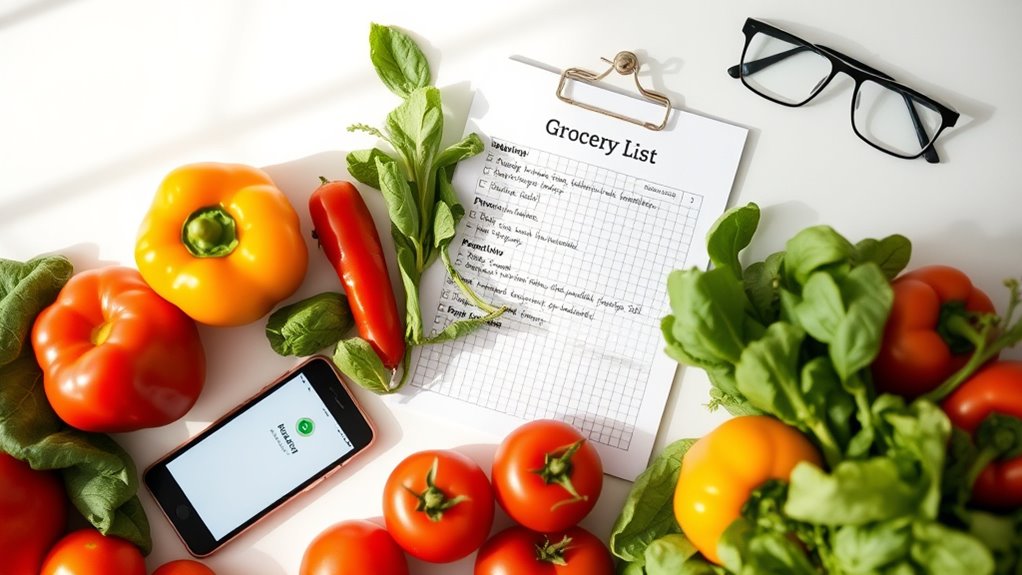
Creating a detailed grocery list before heading to the store helps you stay focused and avoid impulse buys. When you plan your meals in advance, you can make a thorough list of all the ingredients you need, reducing the chances of forgetfulness.
Meal planning also helps you see what staple items you already have, preventing unnecessary purchases. As you create your list, consider your weekly budget and track your spending to stay within your financial limits.
This way, you avoid overspending on last-minute temptations or unnecessary extras. Organizing your list by categories like produce, dairy, or pantry items can make shopping faster and more efficient.
Navigate Store Layouts to Shop Smarter
Understanding the store layout can really make your shopping trip easier and help you avoid backtracking or missing items. Getting familiar with the store’s general setup allows you to move smoothly through the aisles and find everything on your list faster.
Most stores place staples like produce, dairy, and meats in specific sections. Snacks and packaged goods are usually grouped together, making shopping more efficient.
Here’s a simple map to help you visualize common sections:
| Entrance Area | Fresh Produce | Dairy & Eggs | Frozen Foods |
|---|---|---|---|
| Bakery & Deli | Aisle Awareness | Canned Goods | Beverages & Snacks |
Use aisle awareness to anticipate where items are located, saving you time. Keep an eye out for signs and store directories—they can help you navigate more easily and avoid unnecessary detours.
Compare Prices and Find the Best Deals
Once you’re familiar with the store layout, you can start comparing prices more effectively. Price tracking is your best tool for spotting deals and saving money. Keep a mental note or even jot down prices of staples like bread, milk, and produce across different stores or flyers.
Deal hunting involves actively searching for discounts, coupons, and sales to get the most value. Use store apps or websites to check current promotions before heading out so you don’t miss out on savings. When comparing prices, pay attention to unit costs—sometimes a larger package might be cheaper per ounce or pound.
Don’t hesitate to ask store employees about upcoming sales or clearance items. Staying vigilant and proactive with price tracking and deal hunting helps you make smarter choices, stretch your grocery budget further, and maximize your savings with every shopping trip.
Pick Fresh, High-Quality Products Every Time
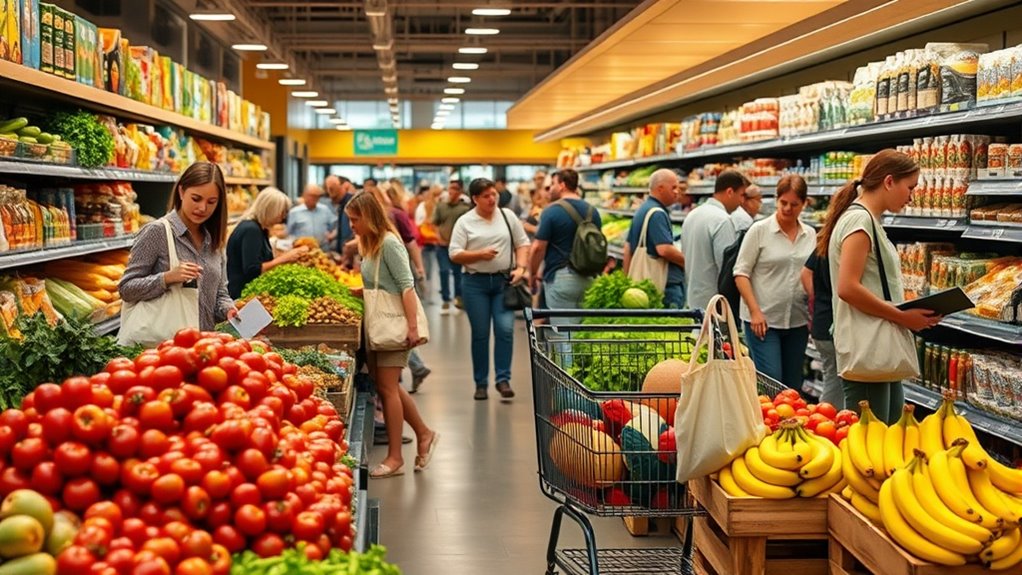
Choosing fresh, high-quality products starts with your senses. Trust your eyes, nose, and touch to assess produce and perishable items. Look for vibrant colors and firm textures, which show ripeness and freshness.
Smell the produce—fresh fruits and vegetables should have a natural, inviting aroma without any sour or off-putting scents. When selecting meats or seafood, check for bright color and moist, but not slimy, surfaces.
Opt for seasonal selections, which are usually at their peak in flavor and nutrition. Don’t overlook organic options—they often offer higher quality and fewer pesticides, especially for items you’ll eat raw.
Avoid produce with blemishes, wrinkles, or soft spots, as these are signs of decline. By carefully inspecting items and choosing seasonal and organic options, you ensure your groceries are fresh, flavorful, and high quality.
This makes your meals more enjoyable and nutritious.
Avoid Common Grocery Shopping Mistakes
Many common grocery shopping mistakes can lead to wasted money and less healthy meals. To avoid this, steer clear of these pitfalls:
- Impulse purchases: Resist the urge to grab snacks or extras you didn’t plan for. Stick to your shopping list to save money and stay on track with your meal goals.
- Ignoring seasonal sales: Don’t overlook seasonal sales; they’re perfect for stocking up on fresh produce and staples at a discount. Planning meals around these deals can save you money.
- Overbuying perishable items: Buying too much fresh produce can lead to waste. Be realistic about how much you’ll use before it spoils, and choose versatile ingredients you can use in multiple dishes.
Frequently Asked Questions
How Can I Create a Grocery Shopping Budget Effectively?
To create a grocery shopping budget effectively, start by setting a realistic spending limit based on your income and needs. Use price comparison tools to find the best deals on essentials.
Plan your meals for the week and make a detailed shopping list to avoid impulse buys. Sticking to your list and budget helps you save money and ensures you get everything you need.
Adjust your plan as needed to stay on track. This approach makes grocery shopping more affordable and less stressful.
What Are the Best Times to Shop for Fewer Crowds?
If you want fewer crowds, try shopping during early mornings or late evenings. For example, Sarah found that visiting her local store at 7 am meant she avoided busy aisles and long lines.
Stores tend to be quieter right when they open or just before closing. Planning your shopping trips during these times helps you browse more comfortably, saves time, and makes grocery shopping more relaxed.
How Do I Reduce Plastic Waste During Grocery Shopping?
You can cut down on plastic waste during grocery shopping by buying in bulk, which cuts down on packaging. It’s also a good idea to bring your own reusable bags for produce and groceries instead of using single-use plastics.
Opt for sustainable options like products in glass or paper packaging, and look for waste-free items with little or no packaging. Making these thoughtful choices helps reduce your plastic footprint and supports eco-friendly practices.
Are Store Loyalty Programs Worth Signing up For?
Yes, store loyalty programs are worth signing up for, especially since 90% of consumers find value in loyalty benefits.
You can enjoy perks like exclusive discounts, personalized deals, and early access to sales. These benefits help you save money and make shopping more enjoyable.
Plus, signing up is usually free and easy, so it’s a smart way to maximize your savings while shopping for essentials.
How Can I Store Groceries to Maximize Freshness?
To maximize freshness, store groceries with proper packaging and temperature control. Keep perishable items like dairy and meat in the coldest part of your fridge, usually near the back or bottom.
Use airtight containers or wrap items tightly to prevent spoilage and cross-contamination. For fruits and vegetables, store them in crisper drawers with the right humidity.
These steps help maintain freshness and reduce waste.
Conclusion
By mastering these tips, you’ll become a savvy grocery shopper, navigating the store with confidence. Think of yourself as a hero tackling a maze, each aisle a new challenge to conquer.
With a solid plan, you’ll uncover great discounts and pick only the freshest, best-quality items. Every shopping trip becomes a chance to discover something new and exciting.
Remember, grocery shopping is a journey—embrace the process, learn from any missteps, and enjoy the experience. When you follow these tips, shopping turns into a successful and rewarding adventure.